>>
30-MINUTE MEALS! Get the email series now →


A soulful, slow-simmered tomato sauce with aromatic herbs and olive oil — the kind of sauce that becomes part of family tradition.
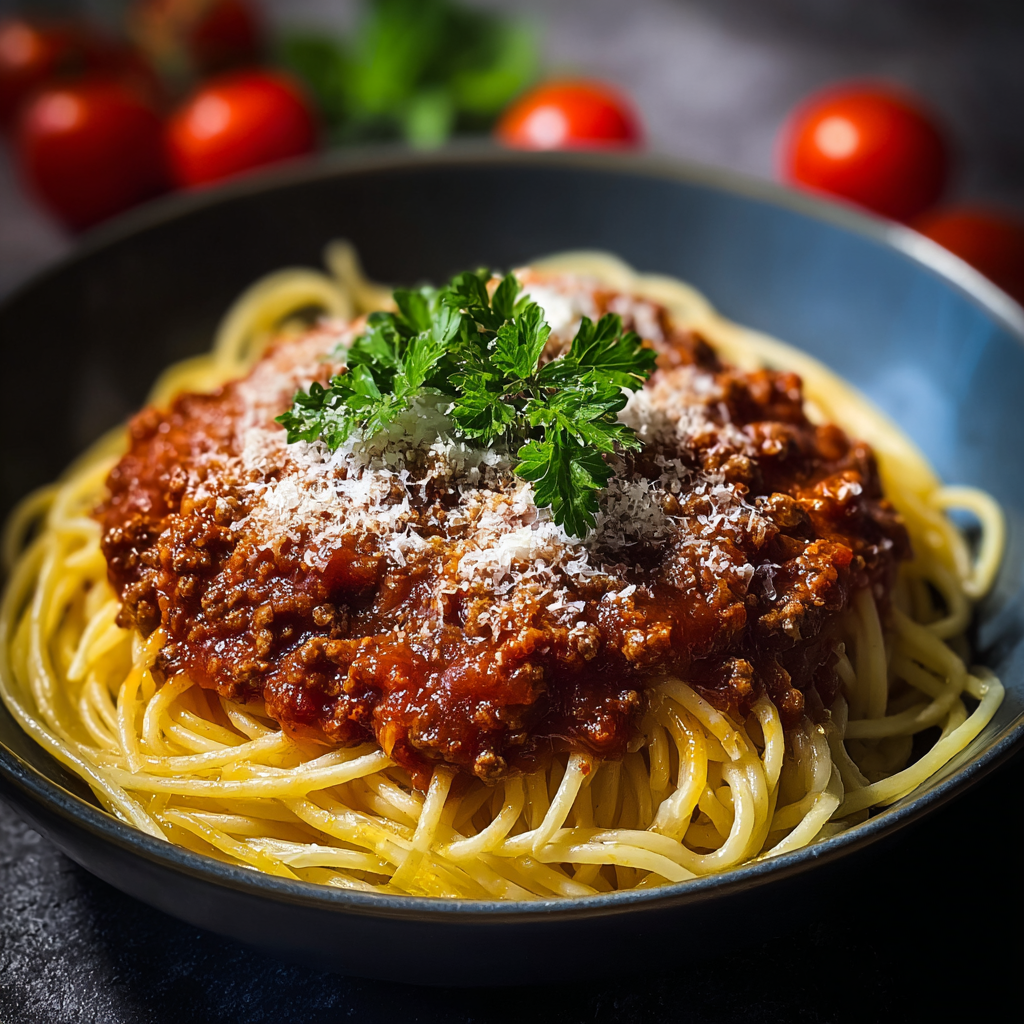
This classic Italian spaghetti sauce has been in my rotation for years and feels like a warm family hug in a pot. I first learned the base of this sauce from my grandmother on a humid August afternoon, stirring alongside her as she taught me how to coax sweetness from tomatoes without adding too much sugar. The result is bright tomato flavor balanced with savory depth from slow simmering, a little olive oil silk, and a hit of garlic and fresh herbs. It’s the kind of sauce that gathers people at the table and makes weekday dinners feel special.
I rely on this sauce when I want something comforting yet uncomplicated: pantry staples, modest prep, and a long, fragrant simmer. It finishes with a glossy texture that clings to pasta, elevates meatballs, or becomes the foundation for baked dishes. I remember one rainy evening when a pot of this simmering on the stove brought neighbors inside to share bread and stories — that memory is why I always keep canned tomatoes and a head of garlic within reach.
In my kitchen this sauce has brought comfort during holidays and calm weeknights. My family loves it spooned over spaghetti with a crack of pepper and a drizzle of extra olive oil. It has also been the unexpected star at potlucks; guests always ask for the recipe and for a little extra on their plates.
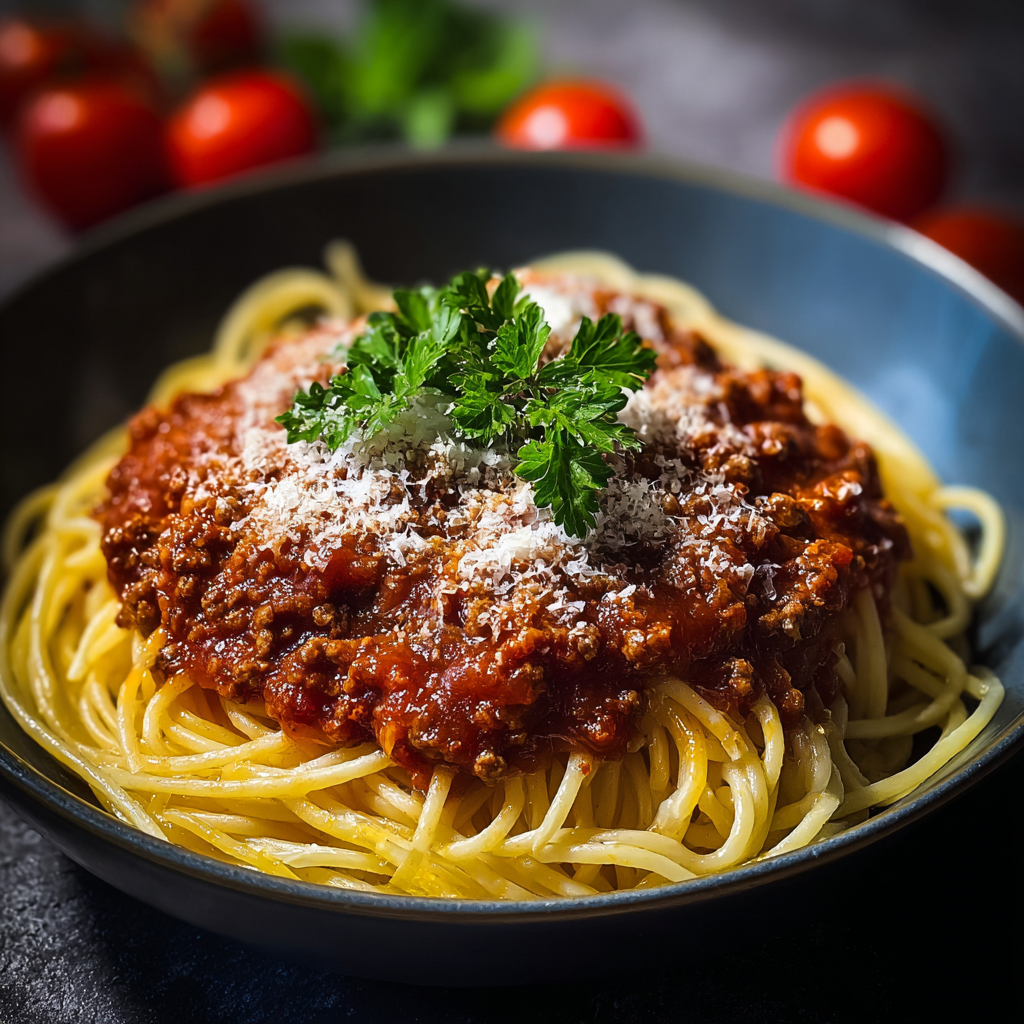
My favorite aspect of this sauce is how forgiving it is. I’ve made it on rushed weeknights and on slow Sundays, and both times it rewards patience and small adjustments. Family gatherings often revolve around the pot on the stove, where the scent draws people like a magnet. My son once declared it the perfect dinner because 'it tastes like home,' which is the highest compliment.
Cool the sauce at room temperature for no more than two hours before refrigerating. Use shallow containers to speed cooling and keep the sauce at safe temperatures. In the refrigerator it will last up to five days; to freeze, portion into one- or two-cup airtight containers or heavy-duty freezer bags, removing as much air as possible. Label with date and use within three months for best flavor. To reheat from frozen, thaw overnight in the refrigerator and warm gently over low heat, stirring occasionally to recombine any separated oils.
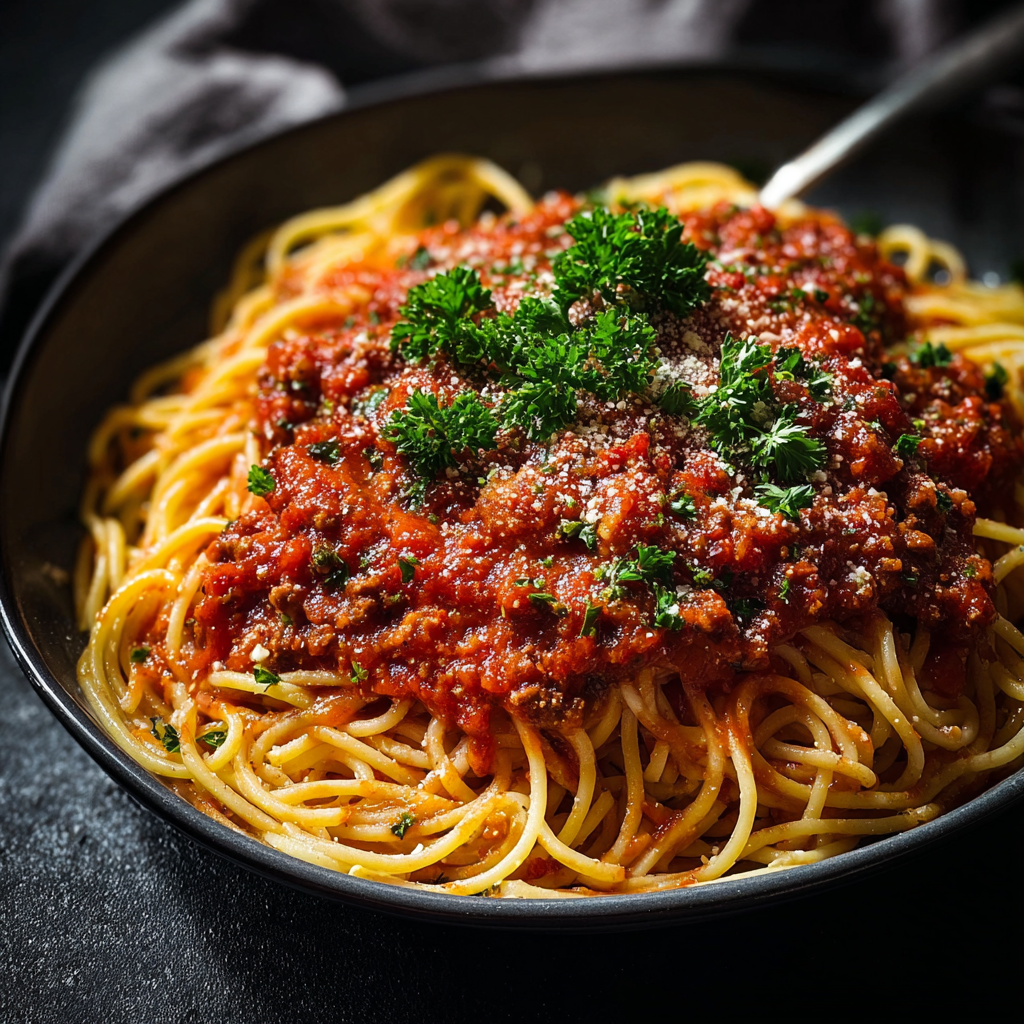
If fresh tomatoes are abundant in summer, substitute 2 pounds of ripe plum tomatoes, blanched, peeled, and crushed for the canned tomatoes; expect a brighter finish that may need a pinch of sugar. Swap yellow onion for sweet onion or shallots for a milder profile. For a deeper umami boost, add 2 to 3 tablespoons finely grated Parmesan rind while simmering, removing it before serving; note this makes the sauce non-vegan. If you prefer a meatier sauce, brown 1 pound ground beef or Italian sausage after the aromatics, drain excess fat, then continue with the tomatoes.
Toss with al dente spaghetti or bucatini and finish with a drizzle of extra virgin olive oil and freshly torn basil. Use as a base for meatballs, baked ziti, or stuffed peppers. For a lighter meal, spoon over grilled vegetables or roasted eggplant. Garnish with chopped parsley or a sprinkle of grated Pecorino Romano if desired. Pair with a crisp green salad and rustic bread for soaking up every last spoonful.
Tomato-based sauces are central to Italian home cooking, with regional differences across Italy. The straightforward combination of tomatoes, olive oil, garlic, and herbs echoes southern Italian traditions where tomatoes and olive oil are staples. The slow simmer method developed as a way to preserve and celebrate the tomato harvest, transforming simple ingredients into layers of flavor that define many classic dishes.
In summer, incorporate fresh basil and roasted cherry tomatoes for a lighter, aromatic version. In winter, add a splash of red wine or a spoonful of anchovy paste for extra depth. On holiday occasions, enrich the pot with a tablespoon of butter or a few tablespoons of cream for a luxuriously silky finish, keeping in mind that adds dairy to the sauce.
Double the batch and freeze in meal-sized portions to simplify weeknight dinners. The sauce is an excellent base to add proteins, vegetables, or spices when reheating, allowing for quick customization: add sautéed mushrooms, shredded chicken, or spinach directly into warmed sauce. Pack pasta separately when freezing assembled meals to prevent sogginess; reheat sauce and freshly boil pasta, then combine just before serving for best texture.
There is a simple joy in making a pot of this sauce and sharing it. It’s reliable, adaptable, and comforting — the kind of recipe that becomes part of a household’s food memory. I encourage you to make it yours: tweak the herbs, play with texture, and let it simmer until it sings.
Toast tomato paste briefly in the oil to deepen flavor before adding tomatoes.
Use a gentle simmer rather than a rolling boil to preserve bright tomato character.
Taste and adjust salt after the sauce has reduced; flavors concentrate as liquid evaporates.
For a silkier mouthfeel, whisk in a tablespoon of butter at the end (optional).
Label frozen portions with date and portion size to simplify meal planning.
This nourishing classic italian spaghetti sauce recipe is sure to be a staple in your kitchen. Enjoy every moist, high protein slice — it is perfect for breakfast or as a wholesome snack any time.
Yes. This sauce can be frozen for up to 3 months. Cool, portion into freezer-safe containers or bags, and thaw overnight before reheating.
Use a short burst with an immersion blender for a smoother texture, or leave chunks for a rustic feel. Pulse briefly — overblending will make it too thin.
This Classic Italian Spaghetti Sauce recipe makes perfectly juicy, tender, and flavorful steak every time! Serve with potatoes and a side salad for an unforgettable dinner in under 30 minutes.
Warm 1/4 cup olive oil in a large heavy-bottomed pot over medium heat. Add the diced onion and a pinch of salt, and cook until translucent and slightly golden, about 6 to 8 minutes.
Push the onions aside, add 2 tablespoons tomato paste, and toast for 1 to 2 minutes. Add 4 cloves minced garlic and cook 30 seconds until fragrant, stirring constantly.
Crush the 28-ounce can of whole tomatoes by hand or against the pot and pour in with juices. Bring to a gentle simmer over medium-low heat.
Stir in dried oregano, dried basil, salt, pepper, and red pepper flakes. Reduce heat to low, partially cover, and simmer gently for 45 minutes to 1 hour, stirring occasionally.
Taste and adjust seasoning. Add 1 teaspoon sugar if needed to balance acidity. For a smoother texture, pulse briefly with an immersion blender, then stir in fresh chopped herbs before serving.
Last Step: Please leave a rating and comment letting us know how you liked this recipe! This helps our business to thrive and continue providing free, high-quality recipes for you.
Leave a comment & rating below or tag
@galovicooking on social media!
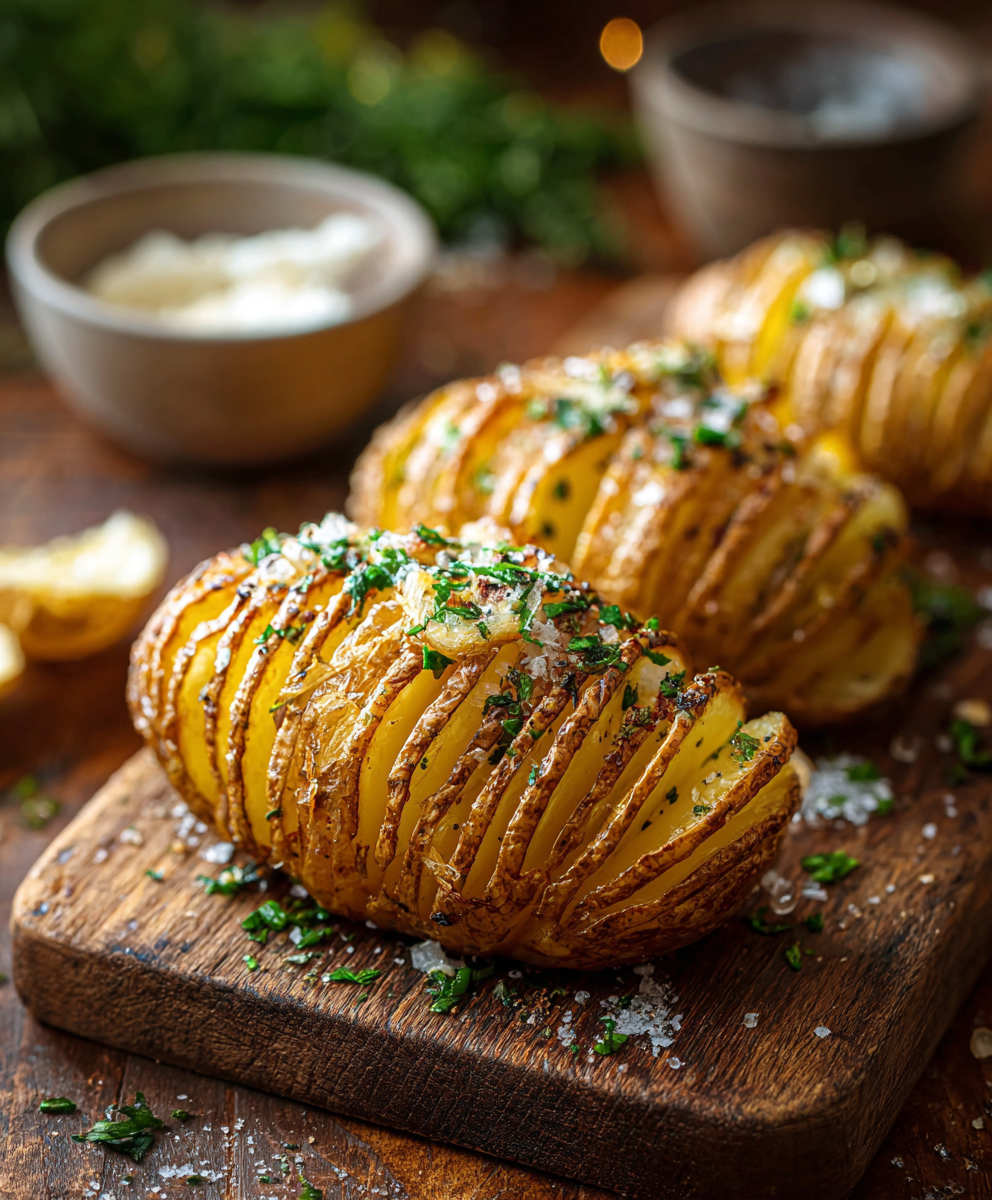
Crispy on the outside, tender inside: classic Hasselback potatoes brushed with melted butter and seasoned simply with kosher salt and pepper.

A comforting Mediterranean-inspired bake of roasted tomatoes, feta, spinach, and eggs — creamy, savory, and perfect for breakfast, brunch, or an easy weeknight meal.
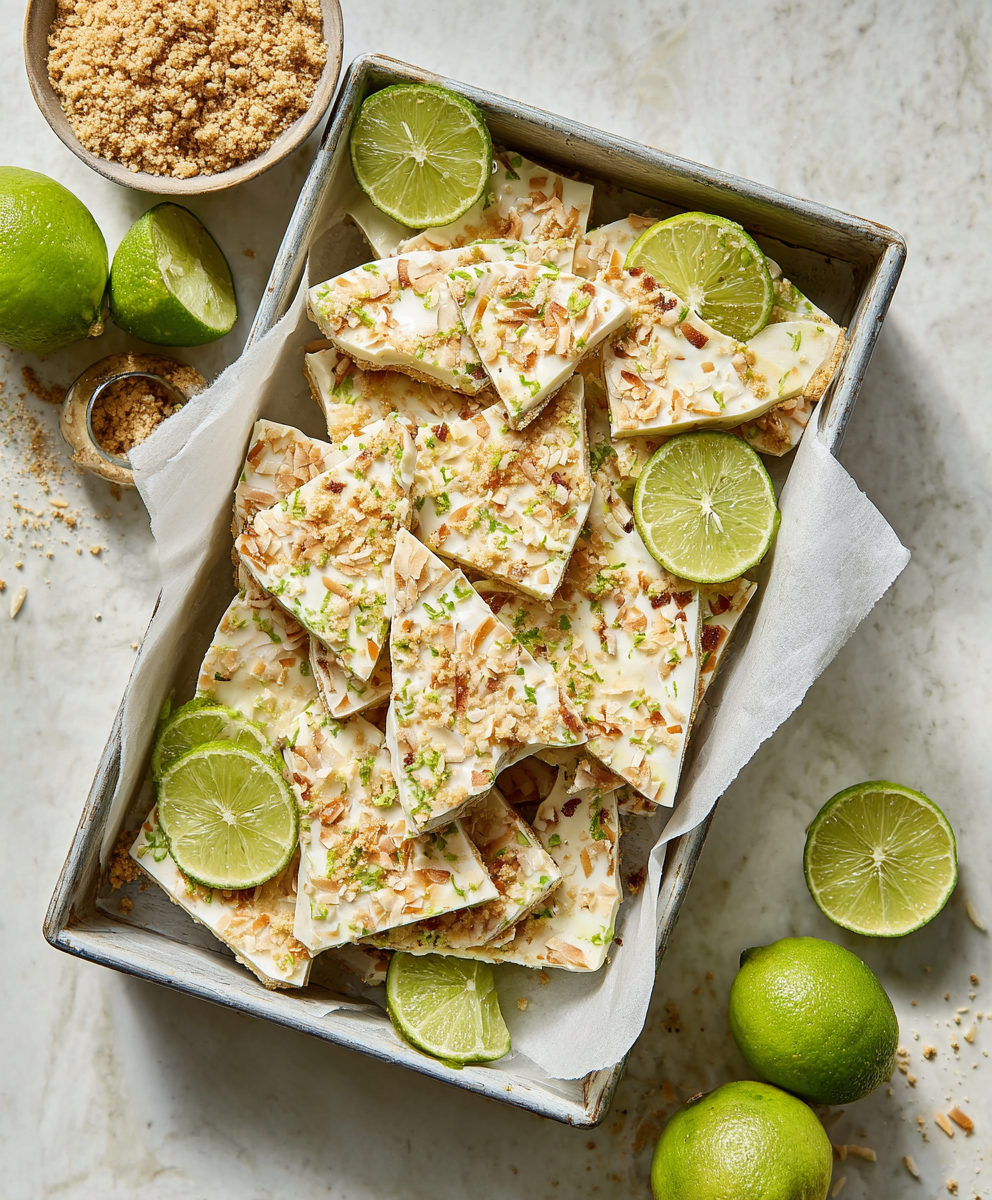
A bright, tangy frozen treat that channels key lime pie in a protein-packed, freezer-ready bark — perfect for warm days, snack prep, and a lighter dessert.
Leave a comment & rating below or tag @galovicooking on social media!
Enjoyed this recipe? Share it with friends and family, and don't forget to leave a review!
This recipe looks amazing! Can't wait to try it.
Comments are stored locally in your browser. Server comments are displayed alongside your local comments.

Join to receive our email series which contains a round-up of some of our quick and easy family favorite recipes.