Coconut Custard Cake

A tender, moist coconut custard cake with a silky coconut custard layer—comforting, tropical, and easy enough for weekend baking.
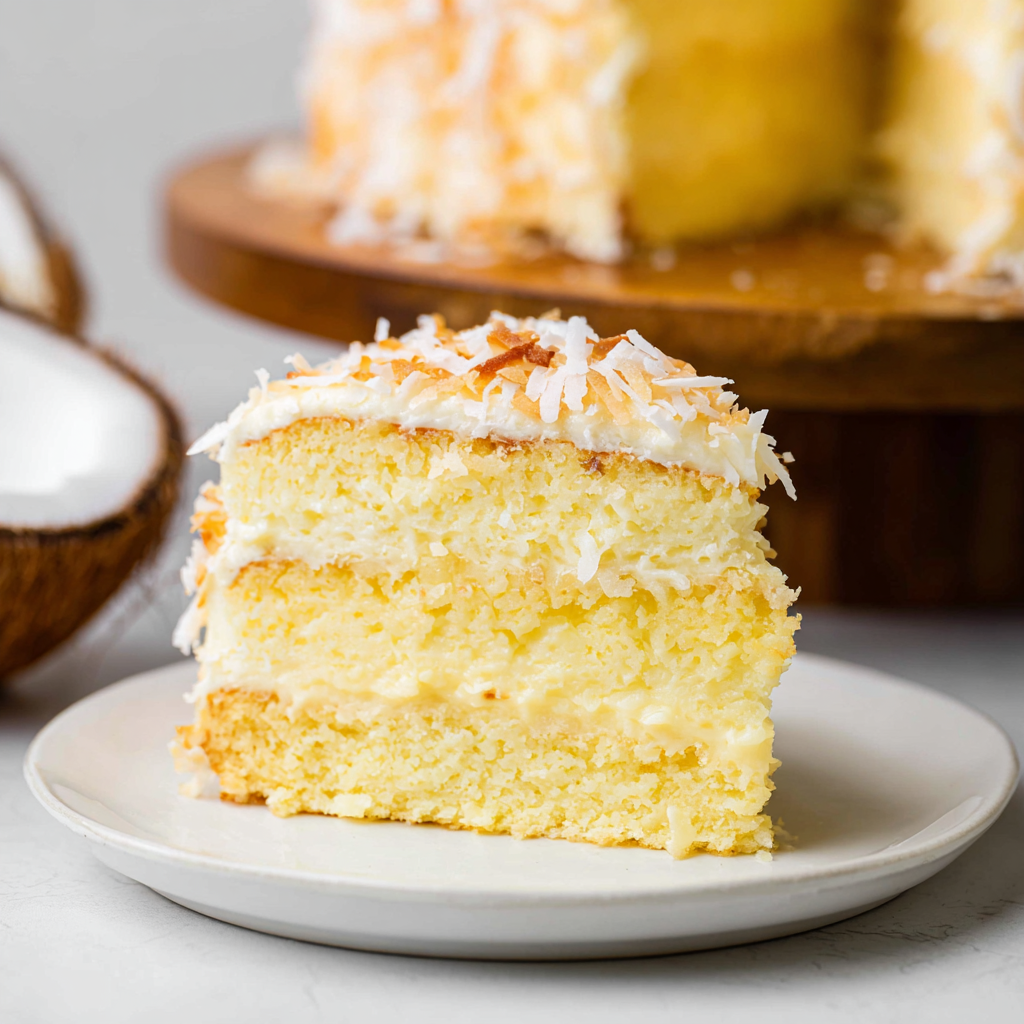
This coconut custard cake has been my comfort dessert for as long as I can remember, the kind of recipe that always gets requested at potlucks and family gatherings. I first discovered this combination while visiting a friend from the Caribbean who insisted that simple ingredients could deliver layered complexity: a soft, buttery cake cushion topped with a delicate, silky coconut custard that sets into a gently tremulous finish. The texture is the real star — the cake soaks up a whisper of custard at the edges and stays tender in the center, while the coconut adds a fragrant, slightly nutty note that reminds me of beachside kitchens and slow Sunday afternoons.
I began tweaking the technique over several tries, learning when to underbake the base by a few minutes so it doesn’t dry out after the custard bakes, and which shredded coconut gives the best bite without being chewy. This version is approachable: most ingredients are pantry staples, and you can pull it together in under an hour of active time. It finishes glossy on top and slices cleanly when fully chilled, making it ideal for entertaining, yet homely enough for an after-dinner treat. Serve it with a dusting of toasted coconut or a spoonful of mango compote for brightness.
Why You'll Love This Recipe
- Layered textures: a tender buttery base beneath a smooth, slightly custardy coconut filling that creates a satisfying contrast in every bite.
- Quick to prepare: about 25 minutes of hands-on time and a single baking step, perfect for last-minute dessert plans or casual gatherings.
- Pantry-friendly: uses shelf-stable coconut milk, shredded coconut, and basic baking staples—no need for specialty ingredients.
- Make-ahead friendly: chills and sets in the fridge, so you can bake it the day before and free up oven time on party day.
- Versatile serving: pairs beautifully with fresh fruit, a drizzle of caramel, or a dollop of whipped cream for different occasions.
- Family-approved: crowd-pleasing flavors that appeal to both kids and adults, and travels well in a covered container.
When I first served this at a summer barbecue, two neighbors came back for seconds and one asked if I’d ever thought of selling slices. My family loves the way the custard’s coconut perfume softens the cake’s buttery edge — it’s become the celebratory dessert I reach for when I want something that feels elevated but isn’t fussy.
Ingredients
- All-purpose flour: Use 2 cups (measured by spooning into the cup and leveling) for structure. I prefer King Arthur or another reliable brand for consistent results; too much flour makes the base dense, so measure carefully.
- Granulated sugar: 1 cup for the cake plus 1/3 cup for the custard—provides balance without overt sweetness. Caster sugar works if you have it, but regular granulated is fine.
- Unsalted butter: 1/2 cup (1 stick), at room temperature for the base to beat until light and aerated. Higher-quality butter (Plugrá or Kerrygold) gives a richer flavor.
- Large eggs: 3 whole eggs (room temperature) — they enrich the base and help set the custard. For best texture, bring to room temperature before starting.
- Full-fat coconut milk: 1 1/2 cups for the custard — choose canned coconut milk for creaminess (not the carton drinking variety).
- Shredded coconut: 3/4 cup unsweetened medium shred adds texture and coconut flavor; lightly toast some for garnish if desired.
- Vanilla extract: 2 teaspoons to round out the custard’s flavors—use pure vanilla for depth.
- Baking powder and salt: 2 teaspoons baking powder and 1/4 teaspoon salt to lift the cake and balance flavors.
- Optional: 1 tablespoon rum or dark rum extract for a warm, aromatic kick, or a pinch of nutmeg for a subtle spice.
Instructions
Preheat and prepare: Preheat the oven to 350°F. Grease and line a 9-inch round cake pan with parchment, leaving a bit of overhang to lift the cake out easily. This ensures even browning and makes removal simple. Place a rack in the center of the oven so heat circulates evenly. Make the base batter: Cream 1/2 cup (1 stick) softened unsalted butter with 1 cup granulated sugar until pale and fluffy, about 3–4 minutes with a hand mixer. Beat in 1 whole egg and 1 additional egg yolk (reserve one white for the custard), then stir in 1 teaspoon vanilla extract. Sift together 2 cups all-purpose flour, 2 teaspoons baking powder, and 1/4 teaspoon salt; fold the dry mix into the butter mixture gently until just combined. The batter should be thick but spreadable. Assemble the base: Spread the batter evenly into the prepared pan, pressing to the edges so it rises uniformly. A small offset spatula helps create a flat surface. Bake the base for 12–14 minutes until it just begins to set and a light golden color appears at the edges—it should still be slightly underbaked since it will finish with the custard layer. Prepare the coconut custard: While the base bakes, whisk together 1 1/2 cups canned full-fat coconut milk, 2 large eggs (or 1 whole egg plus the reserved white), 1/3 cup granulated sugar, 3/4 cup shredded unsweetened coconut, 1 teaspoon vanilla, and 1 tablespoon rum or extract if using. Strain the mixture through a fine-mesh sieve if you prefer an extra-silky custard; this removes larger coconut strands and any leftover chalaza from eggs. Combine and bake: Carefully pour the custard over the hot or warm partially baked base—do this slowly and in a thin stream so the custard layers evenly instead of disturbing the base. Return to the oven and bake at 325°F for 30–35 minutes, or until the custard is set at the edges but still slightly wobbly in the center. An inserted toothpick near the center should come out mostly clean with a few moist crumbs. Cool and chill: Remove from oven and let cool to room temperature on a wire rack for about 45 minutes, then refrigerate for at least 4 hours (preferably overnight) so the custard firms and slices cleanly. Chilling also lets flavors meld and the coconut distribute through the custard.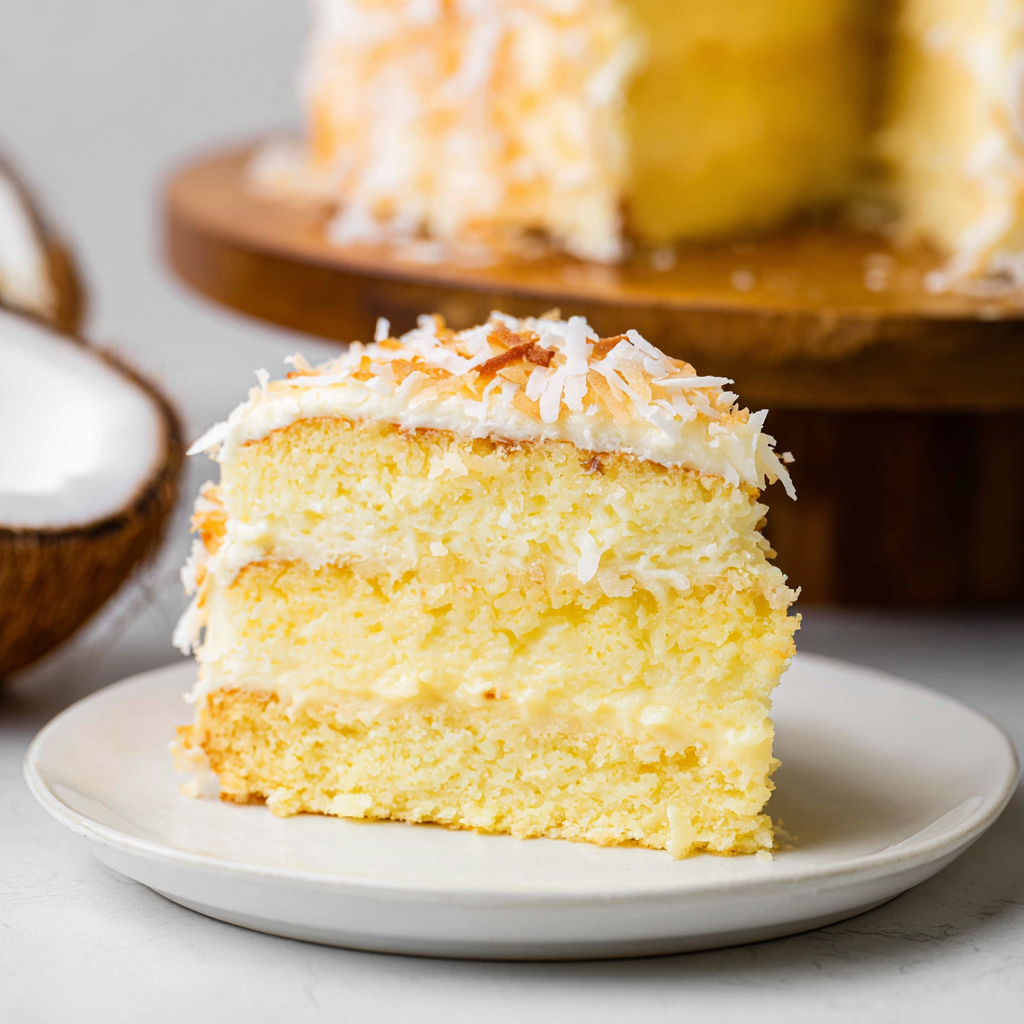
You Must Know
- This dessert keeps well refrigerated for up to 4 days in an airtight container; it also freezes for up to 2 months—slice and wrap pieces individually for freezer storage.
- Using full-fat canned coconut milk is important: low-fat or carton coconut varieties lack the richness needed for a silky custard.
- To toast shredded coconut, spread it on a sheet pan and bake at 350°F for 5–7 minutes, stirring halfway; watch closely to avoid burning.
- Texture cues: edges should be set and center still slightly jiggly when you remove it from the oven; overbaking yields a rubbery custard.
What I love most about this cake is how forgiving it is — slight underbakes or small measurement differences rarely ruin it. Family members often remark on the nostalgic coconut aroma that fills the kitchen while it bakes; once, my youngest niece declared it 'the best puddle cake ever' — and at five, she knows her desserts.
Storage Tips
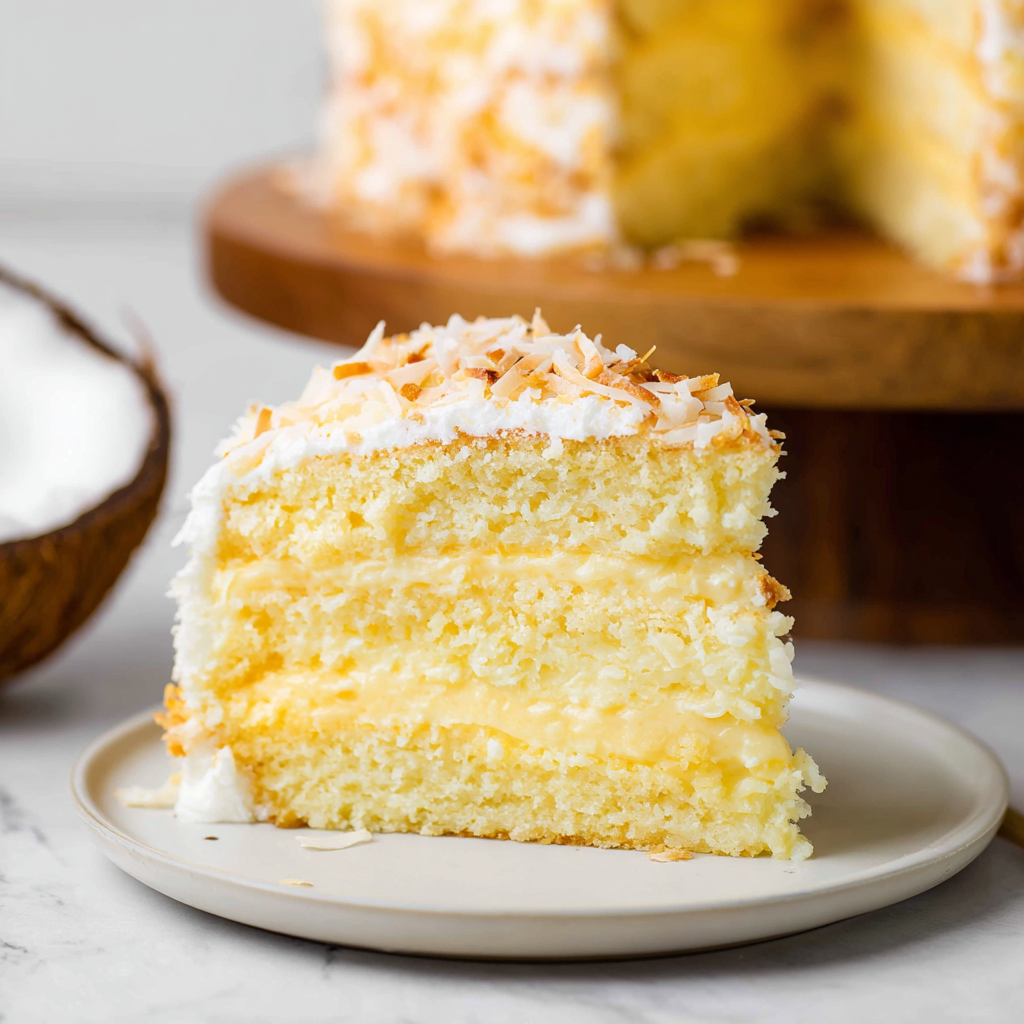
Store chilled slices in an airtight container in the refrigerator for up to 4 days; layering parchment between slices prevents sticking. For longer storage, freeze individual slices wrapped tightly in plastic and then foil, placed in a freezer bag for up to 2 months. To thaw, move slices to the refrigerator overnight and bring to room temperature for 30 minutes before serving. Avoid leaving the cake at room temperature for more than two hours due to the egg-based custard. Reheat gently in a warm oven (300°F) for 6–8 minutes if you prefer it slightly warm, but note that reheating can change the custard's texture.
Ingredient Substitutions
If you need dairy-free adjustments beyond coconut milk, the cake base already uses no milk; replace butter with vegan butter or refined coconut oil (1:1) keeping a firm block consistency for creaming. For a lower-sugar option, reduce sugar by 25% in both layers and add a teaspoon of lemon zest to brighten flavors. Use sweetened shredded coconut if you like a sweeter, chewier bite, but reduce the added sugar by a few tablespoons. For a gluten-free version, substitute a 1:1 gluten-free flour blend and add 1/4 teaspoon xanthan gum for structure; baking times may vary slightly.
Serving Suggestions
Serve slices chilled or slightly cool, garnished with toasted shredded coconut and a few sprigs of fresh mint. For a tropical plating, add a spoonful of mango or passionfruit compote to balance the richness. This dessert pairs well with black coffee, a light dessert wine, or jasmine tea. For special occasions, top with a small dollop of lightly sweetened whipped cream and a dusting of finely grated lime zest to cut through the custard’s richness and add aromatic lift.
Cultural Background
Variations of coconut custard and layered coconut cakes appear across tropical regions where the coconut palm is central to cooking. In Caribbean and Southeast Asian cuisines, coconut custards are often paired with rice or sweet breads; this cake format adapts that custard tradition into a Western-style bake. The combination of simple pantry ingredients with coconut’s distinctive aroma captures both the resourcefulness and flavor-forward nature of island cooking, reflecting how communities transform local produce into celebratory desserts.
Seasonal Adaptations
In summer, serve with fresh tropical fruit like mango or pineapple and a squeeze of lime. For autumn or winter, fold a teaspoon of warm spices — cinnamon or grated nutmeg — into the custard and top with caramelized banana slices. At holiday time, a splash of spiced rum and a smattering of toasted macadamia nuts make it feel festive. The base changes little across seasons; swap the garnish to reflect seasonal produce for a fresh presentation.
Meal Prep Tips
Make the base a day ahead, cover and refrigerate, then pour the custard and bake the following day for perfectly firm slices when you need them. For streamlined prep, measure dry ingredients into labeled bags in advance. When transporting to a gathering, keep the cake chilled in a cooler until serving time to preserve the custard’s texture. Use an insulated carrier and a gel ice pack wrapped in a kitchen towel to avoid condensation on the cake’s surface.
Whether you’re baking for a weeknight treat or a celebratory table, this coconut custard cake offers comforting flavors with a touch of tropical brightness. It’s one of those dishes that invites everyone to linger at the table a little longer — and that’s exactly why I keep it in my regular baking rotation.
Pro Tips
Bring eggs and butter to room temperature before you start for smoother emulsification and even texture.
Strain the custard through a sieve for an extra-silky finish and to remove larger coconut fibers.
Partially bake the base and pour hot custard slowly to create an even top without disturbing the cake layer.
Toast shredded coconut for garnish to add a contrasting crunchy texture and nutty aroma.
Measure flour by spooning into the cup and leveling to avoid a dense base.
This nourishing coconut custard cake recipe is sure to be a staple in your kitchen. Enjoy every moist, high protein slice — it is perfect for breakfast or as a wholesome snack any time.
FAQs about Recipes
Can I use carton coconut milk instead of canned?
Use full-fat canned coconut milk for the creamiest custard; carton coconut milk is too thin.
How long should I chill before serving?
Yes, chill the cake at least 4 hours; overnight chilling yields firmer slices and better flavor melding.
Can I freeze the cake?
Wrap slices tightly and freeze up to 2 months. Thaw in the refrigerator overnight.
Tags
Coconut Custard Cake
This Coconut Custard Cake recipe makes perfectly juicy, tender, and flavorful steak every time! Serve with potatoes and a side salad for an unforgettable dinner in under 30 minutes.
Ingredients
Base
Custard
Instructions
Preheat and prepare pan
Preheat oven to 350°F. Grease and line a 9-inch round cake pan with parchment for easy removal and even baking.
Make the base batter
Cream 1/2 cup softened butter with 1 cup sugar until pale. Beat in 1 whole egg and 1 yolk plus 1 teaspoon vanilla. Fold in sifted 2 cups flour, 2 teaspoons baking powder, and 1/4 teaspoon salt until just combined.
Partially bake the base
Spread batter in the prepared pan and bake at 350°F for 12–14 minutes until edges set but center slightly underbaked. This prevents a dry base after the custard bakes.
Prepare the coconut custard
Whisk together 1 1/2 cups canned coconut milk, 2 eggs, 1/3 cup sugar, 3/4 cup shredded coconut, 1 teaspoon vanilla, and optional rum. Strain if a smoother texture is desired.
Combine and finish baking
Slowly pour the custard over the warm base and reduce oven temperature to 325°F. Bake for 30–35 minutes until edges are set and center slightly jiggly. Cool to room temperature, then chill 4 hours or overnight.
Last Step: Please leave a rating and comment letting us know how you liked this recipe! This helps our business to thrive and continue providing free, high-quality recipes for you.
Nutrition
Did You Make This?
Leave a comment & rating below or tag
@galovicooking on social media!
Categories:
You might also like...
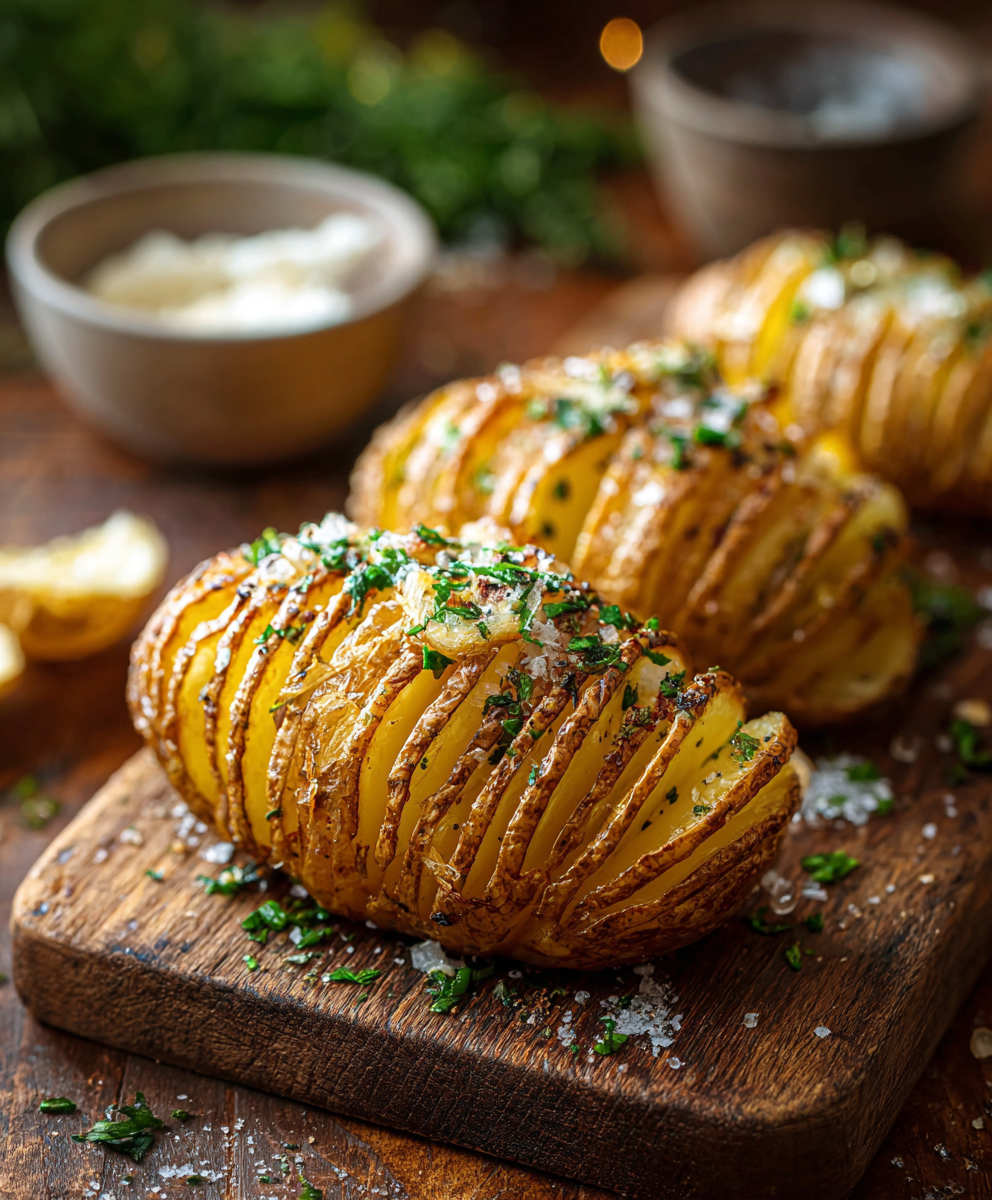
Classic Hasselback Potatoes
Crispy on the outside, tender inside: classic Hasselback potatoes brushed with melted butter and seasoned simply with kosher salt and pepper.
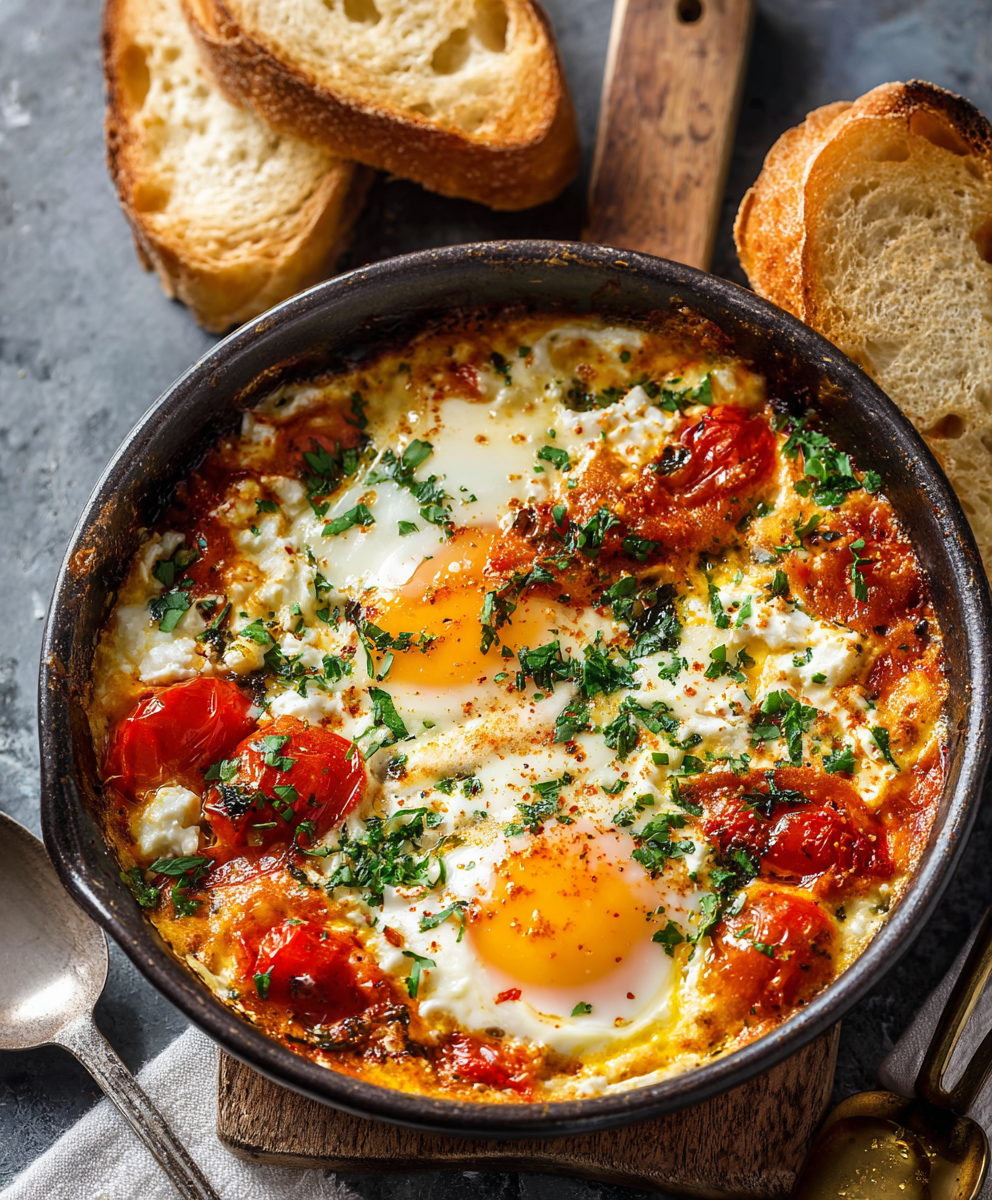
Baked Feta Eggs
A comforting Mediterranean-inspired bake of roasted tomatoes, feta, spinach, and eggs — creamy, savory, and perfect for breakfast, brunch, or an easy weeknight meal.
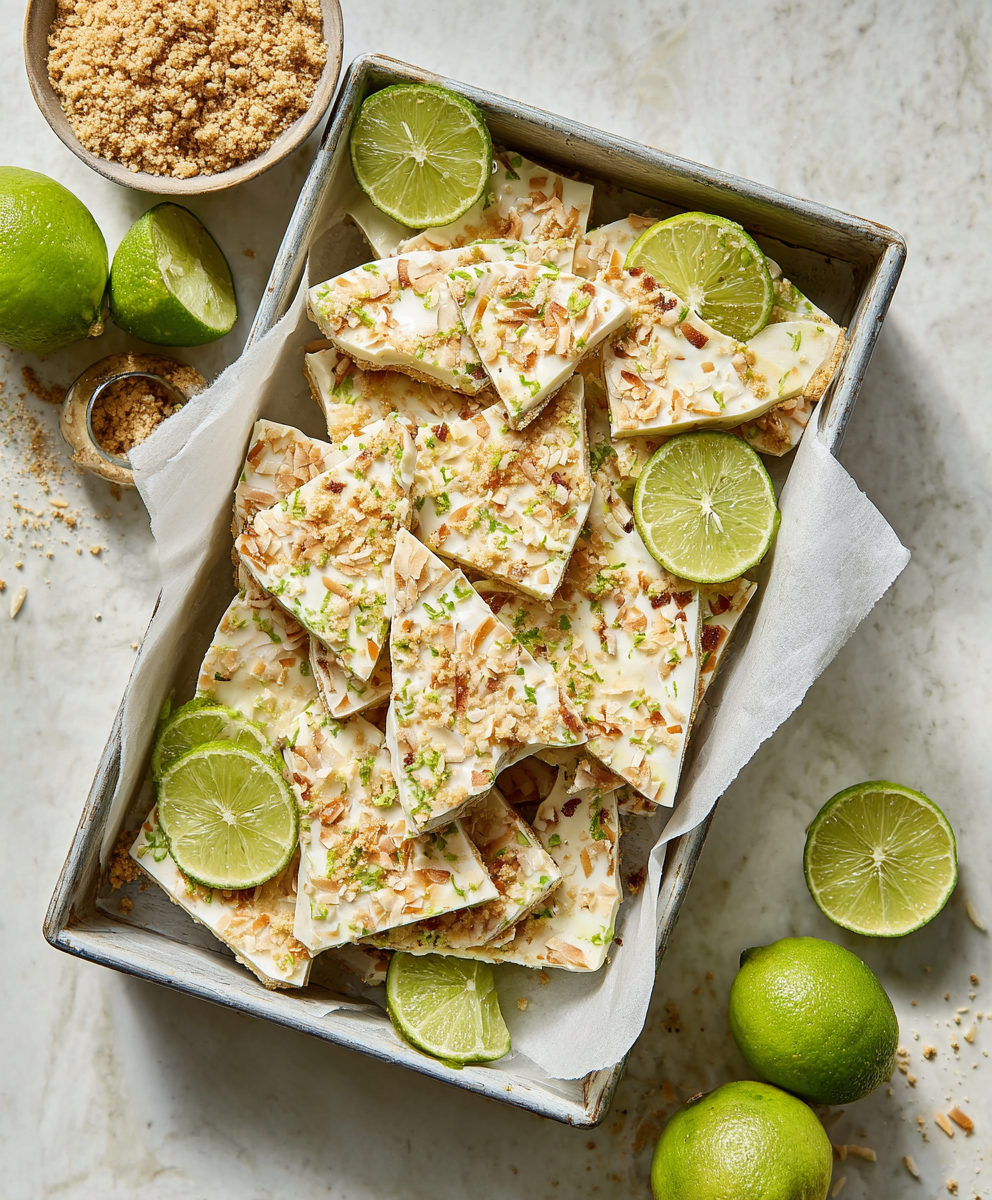
Key Lime Pie Yogurt Bark
A bright, tangy frozen treat that channels key lime pie in a protein-packed, freezer-ready bark — perfect for warm days, snack prep, and a lighter dessert.
Did You Make This?
Leave a comment & rating below or tag @galovicooking on social media!
Rate This Recipe
Share This Recipe
Enjoyed this recipe? Share it with friends and family, and don't forget to leave a review!
Comments (1)
This recipe looks amazing! Can't wait to try it.
Comments are stored locally in your browser. Server comments are displayed alongside your local comments.

Hi, I'm Ava!
What's Popular

30-Minute Meals!
Join to receive our email series which contains a round-up of some of our quick and easy family favorite recipes.