Crispy Yakgoa — Korean Honey Cakes

Golden, crispy Korean honey cakes made from a fragrant dough and finished in a sticky honey glaze — a comforting, traditional treat perfect for sharing.
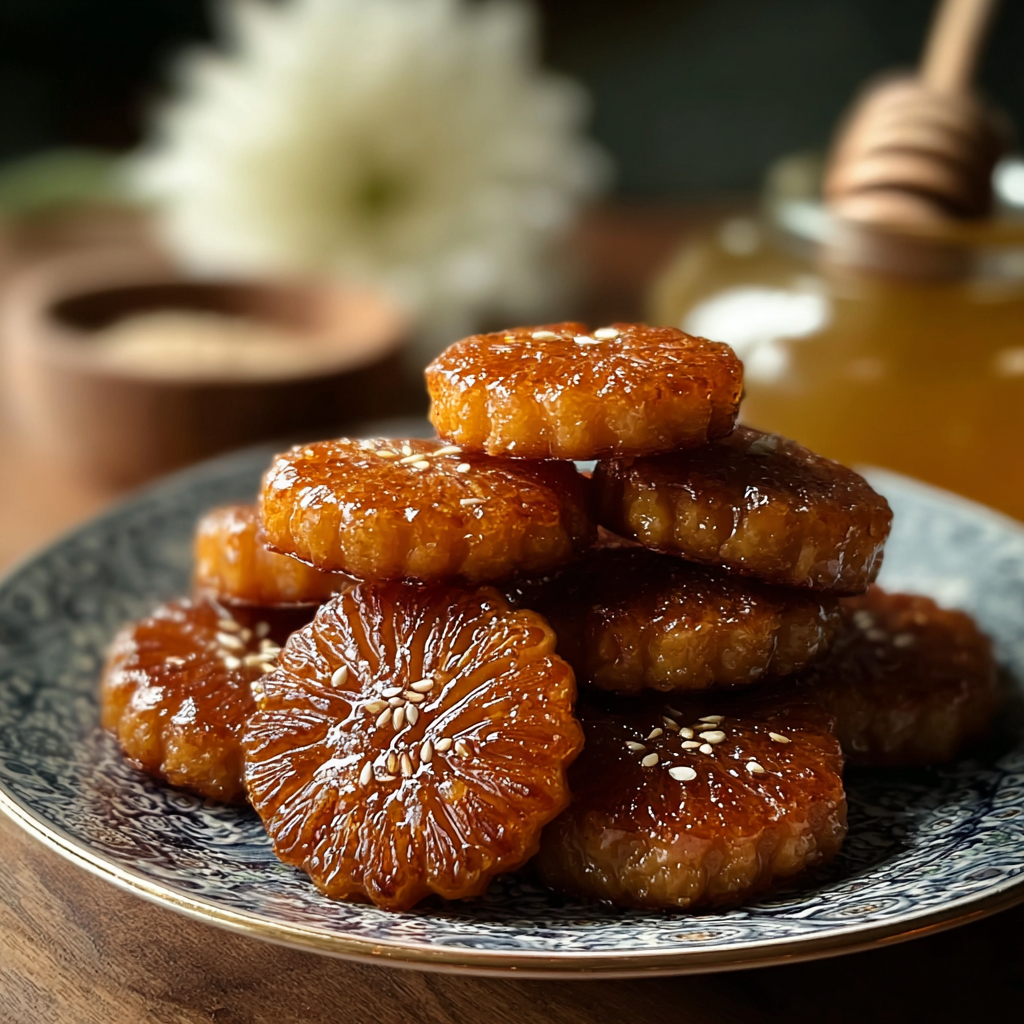
This recipe for yakgoa (sometimes spelled yakgwa) is my love letter to a childhood treat that always appeared at family celebrations. I first learned this version from an aunt who insisted on exact textures — a dough that is tender but not cakey, and a crust that gives a delicate snap when bitten. I discovered her method one rainy afternoon when the house smelled of toasted sesame and warm honey; she taught me how to feel the dough, how long to knead, and the right oil temperature so the cakes rose evenly and soaked the syrup just enough to be sticky without soggy.
What makes these cakes special is their balance: a fragrant honey-sweet crumb flavored with fresh ginger and sesame oil, deep-fried until deeply golden, then glazed with a hot honey syrup to give a lacquered finish. They are celebratory yet humble — the sort of dessert you can bring to a potluck, gift to a neighbor, or tuck into a tin for winter teatime. Because the base ingredients are pantry-friendly, yakgoa becomes a go-to when you want something memorable without an elaborate grocery run.
Why You'll Love This Recipe
- Deeply aromatic and texturally complex: crisp exterior, tender interior, and a glossy honey glaze that gives satisfying chew.
- Uses pantry staples like all-purpose flour and honey, plus a touch of sesame oil for authentic nuttiness — ready in about an hour from start to finish.
- Make-ahead friendly: these hold well at room temperature for a day and freeze beautifully for longer storage.
- Pleasantly flexible: swap rice wine for mirin, or adjust honey levels in the syrup to control sweetness without losing depth.
- Crowd-pleasing and giftable — they travel well in a lined tin and are perfect for holidays, gatherings, or afternoon tea.
In my kitchen, these often appear around Lunar New Year and during autumn visits when our family loves warm, honeyed treats. Friends have called them unexpectedly addictive: one bite and the sticky glaze, warm ginger aromatics, and faint sesame background become a memory you want to recreate. I’ve tested frying temperatures, syrup concentrations, and resting times so you can repeat success reliably.
Ingredients
- All-Purpose Flour (2 cups): Sift before measuring for a light dough. Use a trusted brand like King Arthur or Gold Medal for consistent protein content; sifted flour avoids a dense result.
- Sesame Oil (2 tablespoons): Adds nutty depth and the faint aroma associated with traditional preparations. If unavailable, a neutral oil will work but the flavor will be flatter.
- Honey for Dough (1 cup): Choose a mild, floral honey (clover or wildflower) so the ginger and sesame still shine. Strong buckwheat honey can overpower the subtleties.
- Ginger (1 tablespoon, freshly grated): Fresh ginger gives bright, warm heat. Avoid powdered ginger; it’s less fragrant and alters moisture balance slightly.
- Rice Wine (2 tablespoons): Adds complexity and helps tenderize the dough. Mirin is an acceptable substitute; avoid straight sake without sweetness adjustment.
- Vegetable Oil for Frying (about 2 to 3 cups): Enough for shallow to medium-deep frying — neutral oils like canola or peanut work best for frying at high heat.
- Syrup Honey (1 cup) and Water (1/2 cup): Simmered together to create a pourable glaze. Adjust water slightly to make the syrup thinner for better coating or thicker for a stickier finish.
Instructions
Prepare the Dough: In a large bowl combine 2 cups sifted all-purpose flour with the freshly grated ginger. In a separate bowl, whisk 1 cup honey, 2 tablespoons sesame oil, and 2 tablespoons rice wine until smooth. Pour the wet mixture into the dry ingredients and mix with a spatula until a shaggy dough forms. Turn onto a lightly floured surface and knead briefly — about 1 to 2 minutes — until cohesive but still slightly yielding. The dough should be soft, not sticky; if it clings to your hands, dust with a tablespoon more flour. Rest and Shape: Wrap the dough tightly and let it rest at room temperature for 20 minutes. This relaxes the gluten and improves texture. After resting, roll the dough into a rectangle about 1/3 inch thick; using a floured cutter or knife, cut into squares or rounds roughly 2.5 inches across. For a traditional look, press a small pattern with the tines of a fork or a carved stamp into each piece. Heat the Oil: Pour 2 to 3 cups of oil into a heavy-bottomed skillet; heat to 325°F (163°C). If you don’t have a thermometer, test by dropping a small scrap of dough — it should sizzle and rise slowly, not brown immediately. Maintain even temperature; if the oil is too hot, the exterior will burn before the interior cooks. Fry the Cakes: Fry the dough pieces in batches, 3–4 at a time depending on pan size, turning every 30 to 45 seconds until a deep golden brown — about 3 to 4 minutes per batch. Use a slotted spoon to transfer to a wire rack placed over a tray to drain briefly. The cakes will firm as they cool but should remain slightly tender inside. Make the Syrup: In a small saucepan, combine 1 cup honey and 1/2 cup water. Warm over medium heat and stir until blended, then bring to a gentle simmer for 3 to 4 minutes. If you prefer a thicker glaze, simmer an extra 1–2 minutes; for a looser coat, remove earlier. Keep the syrup warm but not boiling when glazing. Glaze and Cool: Dip or brush each warm cake with the honey syrup, ensuring an even glossy coat. Place back on the wire rack to allow excess syrup to drip and set. Let cool to room temperature before serving; the glaze will firm slightly, leaving a shiny surface and sticky edges.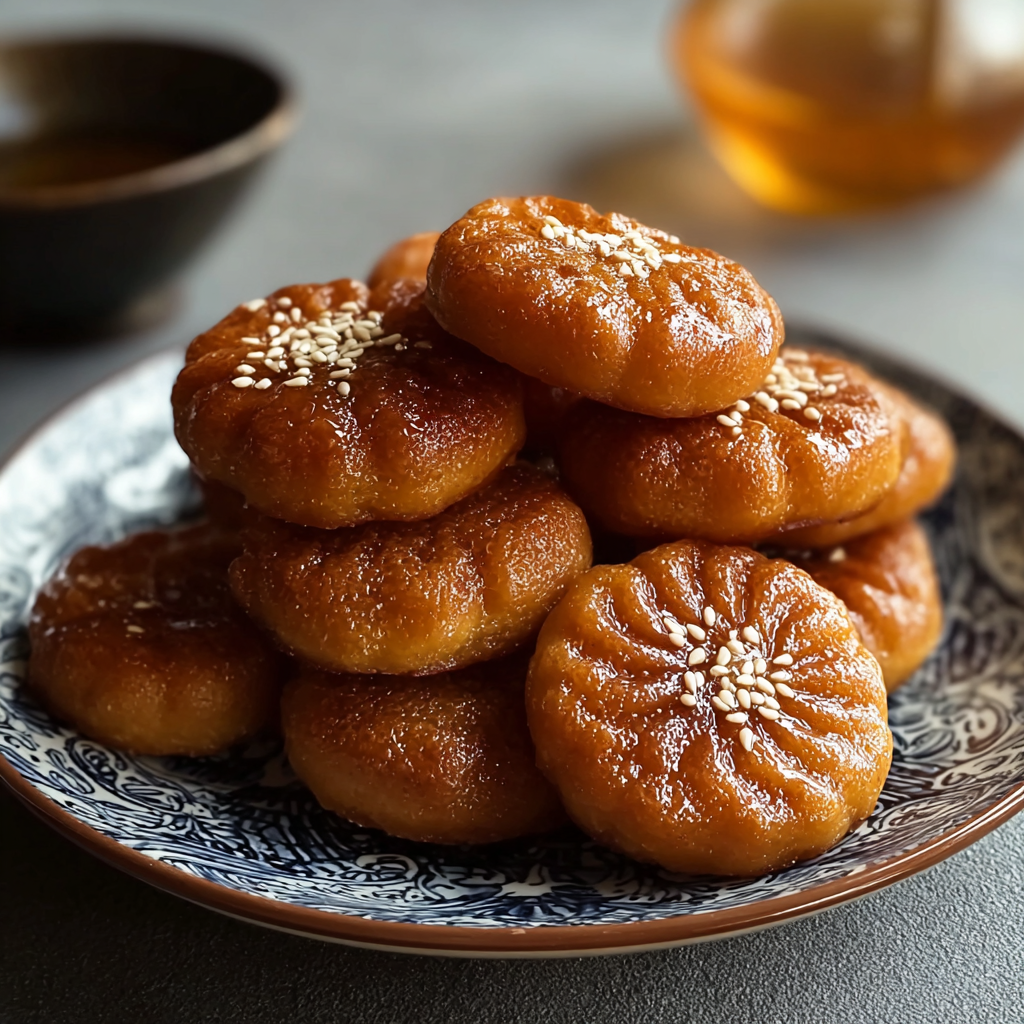
You Must Know
- Mind the frying temperature: 325°F ensures even color and a tender interior; too hot and the exterior will burn.
- These keep at room temperature for up to 48 hours in an airtight container; refrigerate for longer storage though texture will change slightly.
- Contains gluten and honey — not suitable for strict gluten-free diets or vegans; avoid feeding honey to infants under one year.
- Freezes well for up to three months; thaw at room temperature and re-crisp briefly in a warm oven if desired.
My favorite part is the smell: warm honey, ginger, and a whisper of sesame that fills the kitchen as you glaze the cakes. Once, at a small family gathering, I made a double batch and they were gone within the hour — a small, sticky victory that taught me quantity planning for larger groups.
Storage Tips
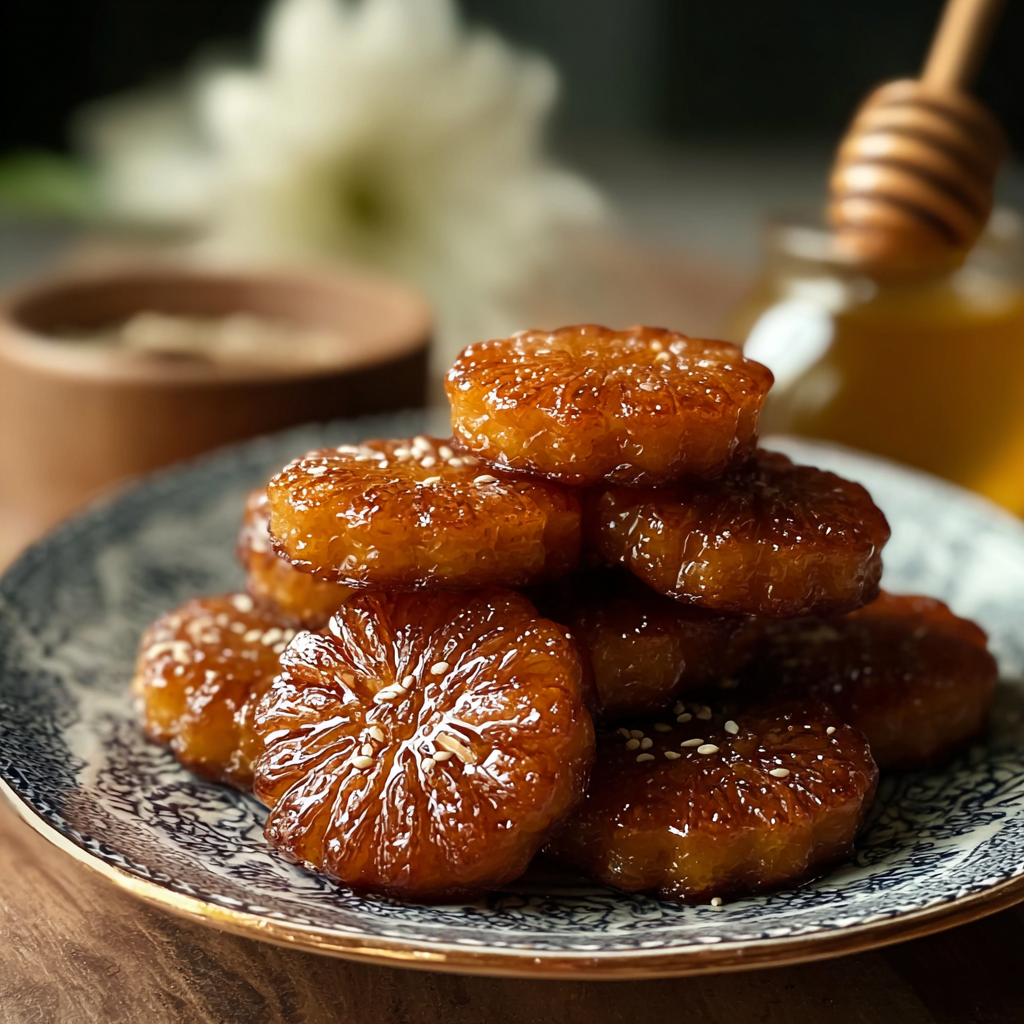
Store cakes in a single layer or separated by parchment in an airtight container at room temperature for up to 48 hours. For longer storage, freeze on a tray until firm, then transfer to a freezer-safe bag; they’ll keep for about three months. To refresh, unwrap and warm in a 300°F oven for 5–8 minutes to revive the crisp edges and gently melt the glaze. Avoid refrigeration if possible — the moisture can soften the exterior and make the glaze cloudy.
Ingredient Substitutions
If sesame oil is unavailable, use a neutral oil and add 1 teaspoon of toasted sesame seeds to the dough for flavor. Rice wine can be swapped for mirin or a tablespoon of light corn syrup plus a splash of water for the tenderizing effect. For a vegan variation, replace honey with a thick maple syrup mixture, but be aware the finished flavor will be earthier and less floral. Adjust syrup-to-water ratios to control glaze thickness; more water equals thinner coat, less water yields a tackier finish.
Serving Suggestions
Serve warm or at room temperature with strong tea — black, roasted barley, or a light green tea to cut the sweetness. For festive plating, arrange on a lacquered tray with a scattering of toasted sesame seeds and a few citrus zest strips for brightness. They pair well with fresh fruit like sliced Asian pear or persimmons during fall, and make a charming edible gift tucked into paper liners.
Cultural Background
Yakgoa is a classic Korean sweet with roots in ceremonial and celebratory cooking. Traditionally made for holidays and ancestral rites, its name references medicinal connotations — 'yak' suggests auspiciousness rather than literal medicine. Regional variations use different sweeteners or stamp designs, but the core technique of frying and glazing binds the versions together. Over generations, home cooks refined the balance of texture and glaze to suit modern preferences.
Seasonal Adaptations
In winter, add a pinch of cinnamon or ground cardamom to the dough for warming spices. For spring, stir in finely grated yuzu or lemon zest to the syrup for a bright lift. During summer gatherings, make mini bite-sized pieces and serve alongside chilled jasmine tea or floral-infused iced tea. The method adapts well: adjust spice and citrus accents to the season while preserving the frying-and-glazing technique.
Meal Prep Tips
Make the dough a day ahead and keep it wrapped in the refrigerator; bring to room temperature before shaping to make cutting and stamping easier. Prepare the syrup just before glazing so it is warm and pourable. Fry in consistent batches and keep a thermometer handy to maintain oil temperature. For entertaining, par-bake (briefly fry) the pieces and finish in a final fry-and-glaze session right before serving to preserve maximum crispness.
These cakes invite experimentation — small changes to syrup or shape yield new textures and memories. Share them with friends and watch how fast a humble honey cake becomes the centerpiece of conversation and comfort.
Happy cooking from Galovi Cooks — may your kitchen fill with the warm scent of honey and ginger.
Pro Tips
Maintain consistent frying temperature; use a thermometer and adjust heat between batches to keep it near 325°F (163°C).
Rest the dough for at least 20 minutes to relax gluten and improve tenderness.
Keep the syrup warm but not boiling while glazing to ensure an even, glossy coat.
Cut pieces uniformly to ensure even frying times and consistent texture.
Use a wire rack over a tray when draining to avoid soggy bottoms and to collect excess syrup.
This nourishing crispy yakgoa — korean honey cakes recipe is sure to be a staple in your kitchen. Enjoy every moist, high protein slice — it is perfect for breakfast or as a wholesome snack any time.
FAQs about Recipes
What temperature should the oil be for frying?
Keep the oil around 325°F (163°C); if it's too hot the outside will brown too quickly and the interior will remain undercooked.
Can I freeze yakgoa?
Yes — freeze on a tray until firm, then transfer to a sealed bag for up to three months. Thaw at room temperature and re-crisp briefly in a low oven.
Tags
Crispy Yakgoa — Korean Honey Cakes
This Crispy Yakgoa — Korean Honey Cakes recipe makes perfectly juicy, tender, and flavorful steak every time! Serve with potatoes and a side salad for an unforgettable dinner in under 30 minutes.
Ingredients
For the Dough
For Frying
For the Syrup
Instructions
Prepare the Dough
Mix sifted flour with grated ginger. Whisk honey, sesame oil, and rice wine; combine with dry ingredients. Knead briefly to a soft, non-sticky dough. Use minimal extra flour.
Rest and Shape
Wrap and rest dough 20 minutes. Roll to 1/3 inch thickness and cut into 2.5-inch rounds or squares; stamp or press pattern if desired.
Heat Oil
Heat 2–3 cups oil to 325°F (163°C) in a heavy pan. Test with a scrap of dough to ensure correct bubbling and slow browning.
Fry the Cakes
Fry in batches for about 3–4 minutes until deep golden, turning every 30–45 seconds for even color. Drain on a wire rack briefly.
Make the Syrup
Combine 1 cup honey and 1/2 cup water; simmer gently 3–4 minutes until blended. Keep warm and pourable for glazing.
Glaze and Cool
Brush or dip warm cakes into syrup for an even, glossy coat. Set on a rack to cool; glaze will firm slightly at room temperature.
Last Step: Please leave a rating and comment letting us know how you liked this recipe! This helps our business to thrive and continue providing free, high-quality recipes for you.
Nutrition
Did You Make This?
Leave a comment & rating below or tag
@galovicooking on social media!
Categories:
You might also like...
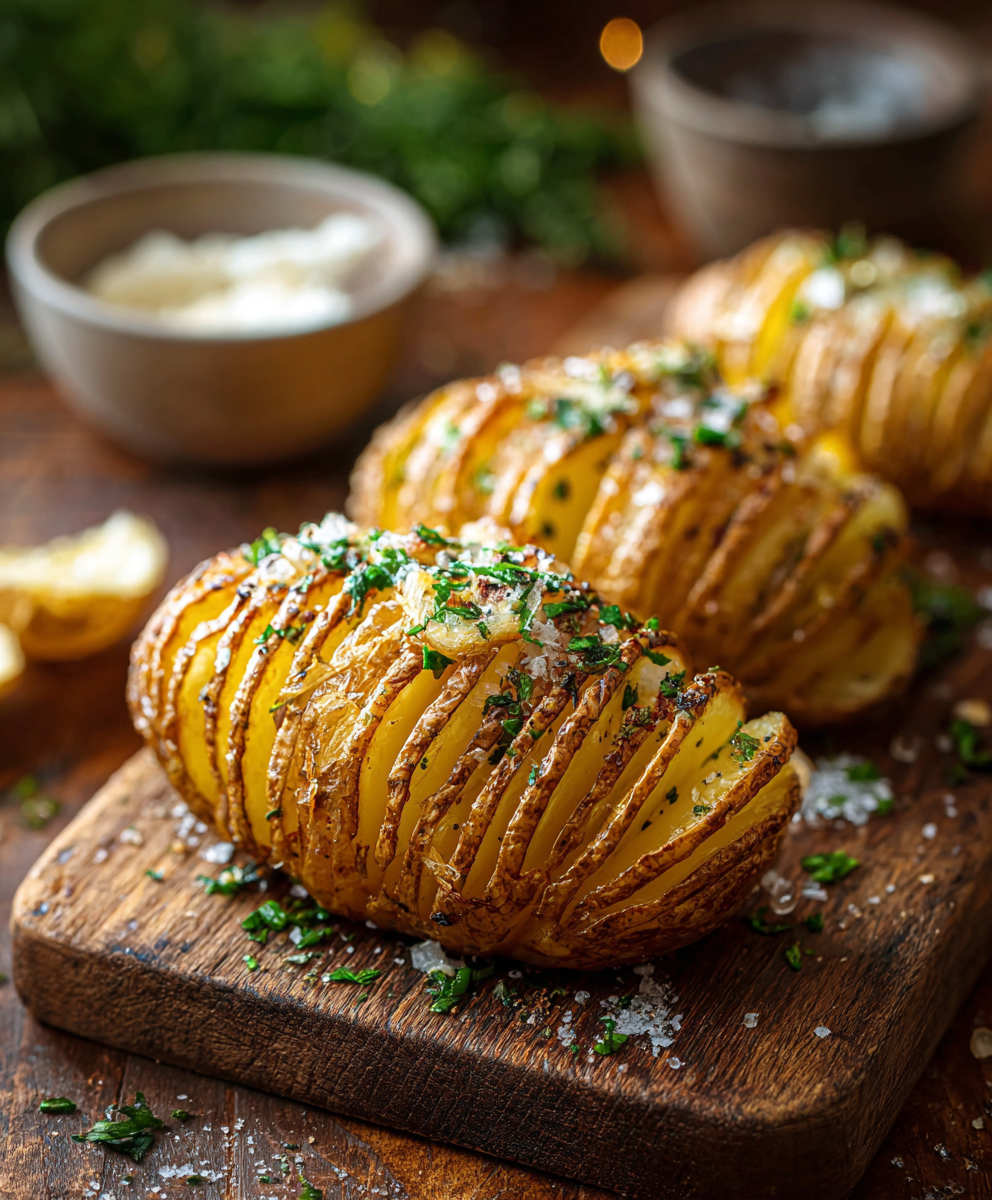
Classic Hasselback Potatoes
Crispy on the outside, tender inside: classic Hasselback potatoes brushed with melted butter and seasoned simply with kosher salt and pepper.
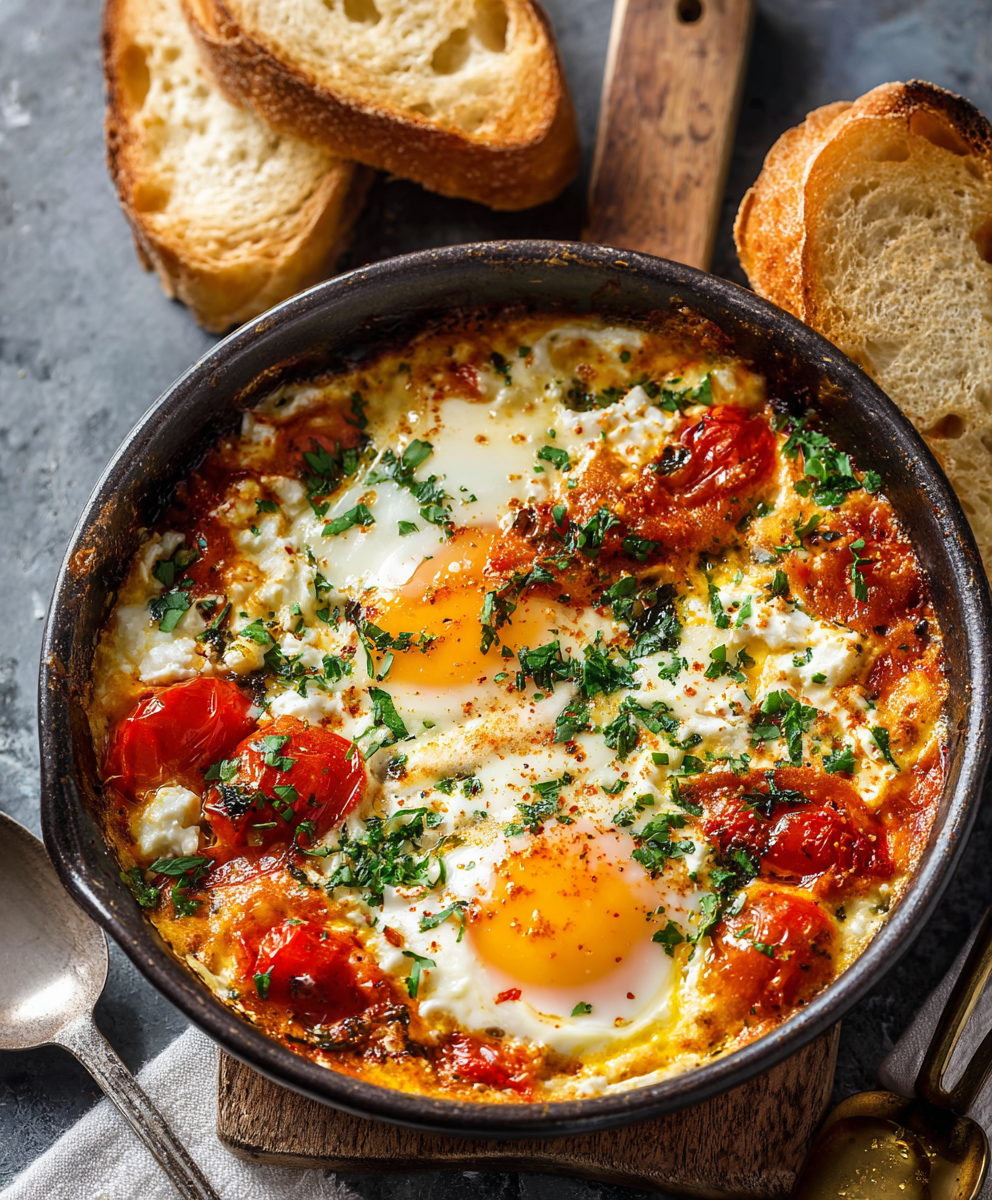
Baked Feta Eggs
A comforting Mediterranean-inspired bake of roasted tomatoes, feta, spinach, and eggs — creamy, savory, and perfect for breakfast, brunch, or an easy weeknight meal.
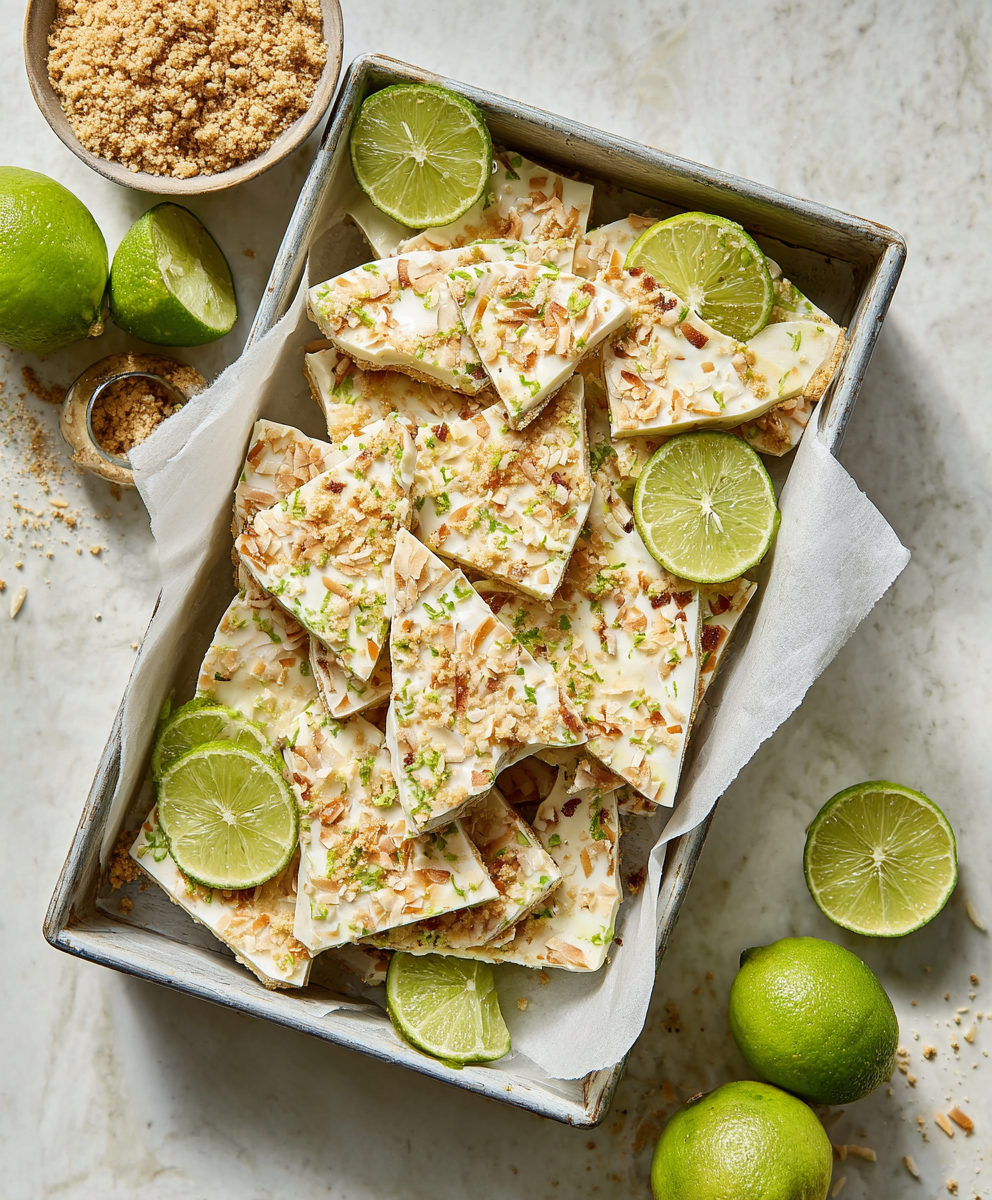
Key Lime Pie Yogurt Bark
A bright, tangy frozen treat that channels key lime pie in a protein-packed, freezer-ready bark — perfect for warm days, snack prep, and a lighter dessert.
Did You Make This?
Leave a comment & rating below or tag @galovicooking on social media!
Rate This Recipe
Share This Recipe
Enjoyed this recipe? Share it with friends and family, and don't forget to leave a review!
Comments (1)
This recipe looks amazing! Can't wait to try it.
Comments are stored locally in your browser. Server comments are displayed alongside your local comments.

Hi, I'm Ava!
What's Popular
30-Minute Meals!
Join to receive our email series which contains a round-up of some of our quick and easy family favorite recipes.