>>
30-MINUTE MEALS! Get the email series now →


Light, pillowy beignets filled with a bright lemon curd whisper — crisp outside, tender inside, finished with a cloud of powdered sugar.
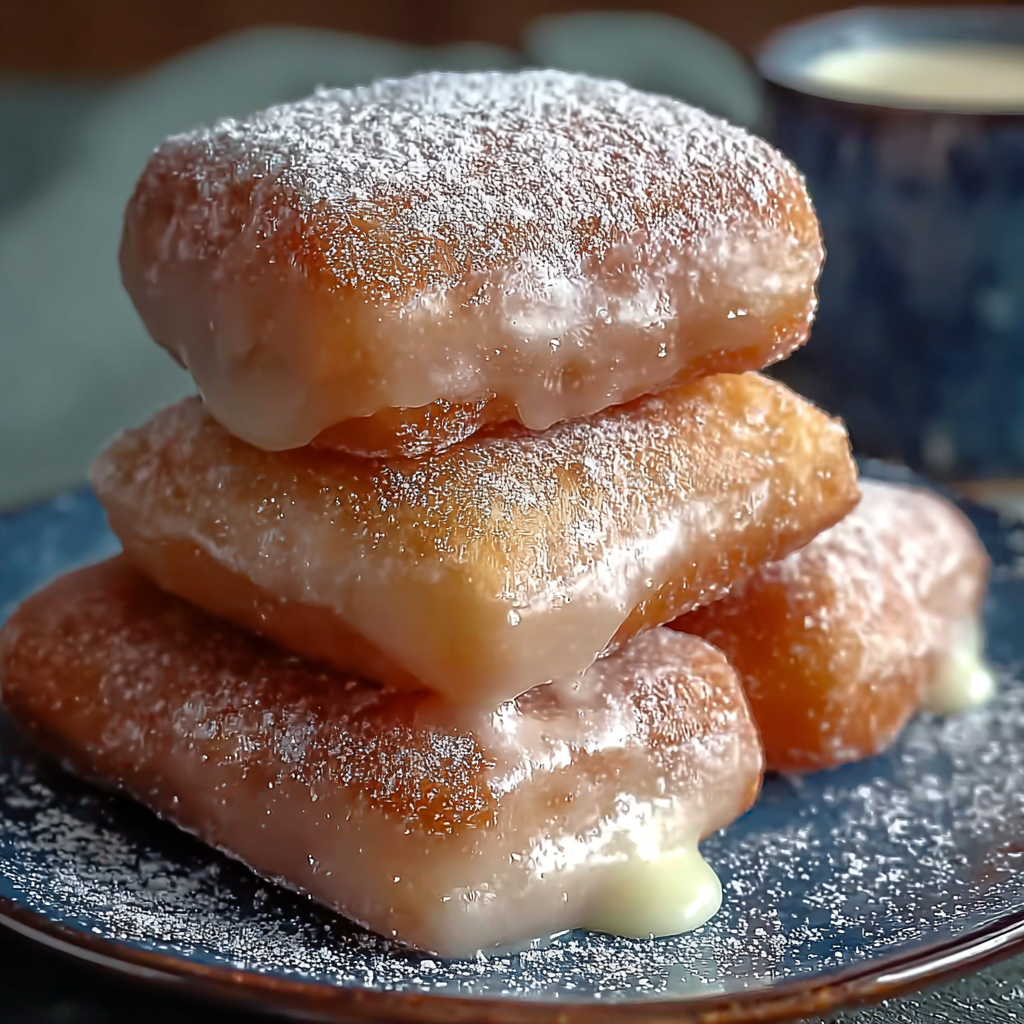
This recipe is my discovery of a beloved street-sweet transformed into a home-kitchen celebration. These beignets are built on the same spirit as the classic New Orleans fritter but folded with a tangy curd center that cuts through the sweetness. I first made them during a spring brunch when Meyer lemons were at peak brightness and wanted something that felt indulgent yet unfussy. The contrast of a thin, crisp shell and a moist, cloudlike interior, with a surprise of curd in the center, is what keeps me making these again and again.
They are a weekend project that rewards patience rather than expertise. The dough is simple: all-purpose flour, buttermilk for tang and moisture, a touch of baking powder and baking soda to give lift, and eggs for richness. A light dusting of powdered sugar at the end transforms each fritter into the kind of treat that disappears first at gatherings. Family and friends always comment on the texture and the bright curd note; it is a small, joyful bite that feels celebratory without being complicated.
Personally, the first time I served these at a spring brunch everyone asked for the recipe the next day. The curd idea came from a leftover jar of lemon curd that needed redeeming; it turned the humble fritter into something we now reserve for special mornings. Watching them puff and bloom in the oil is one of those small kitchen moments I keep returning to.
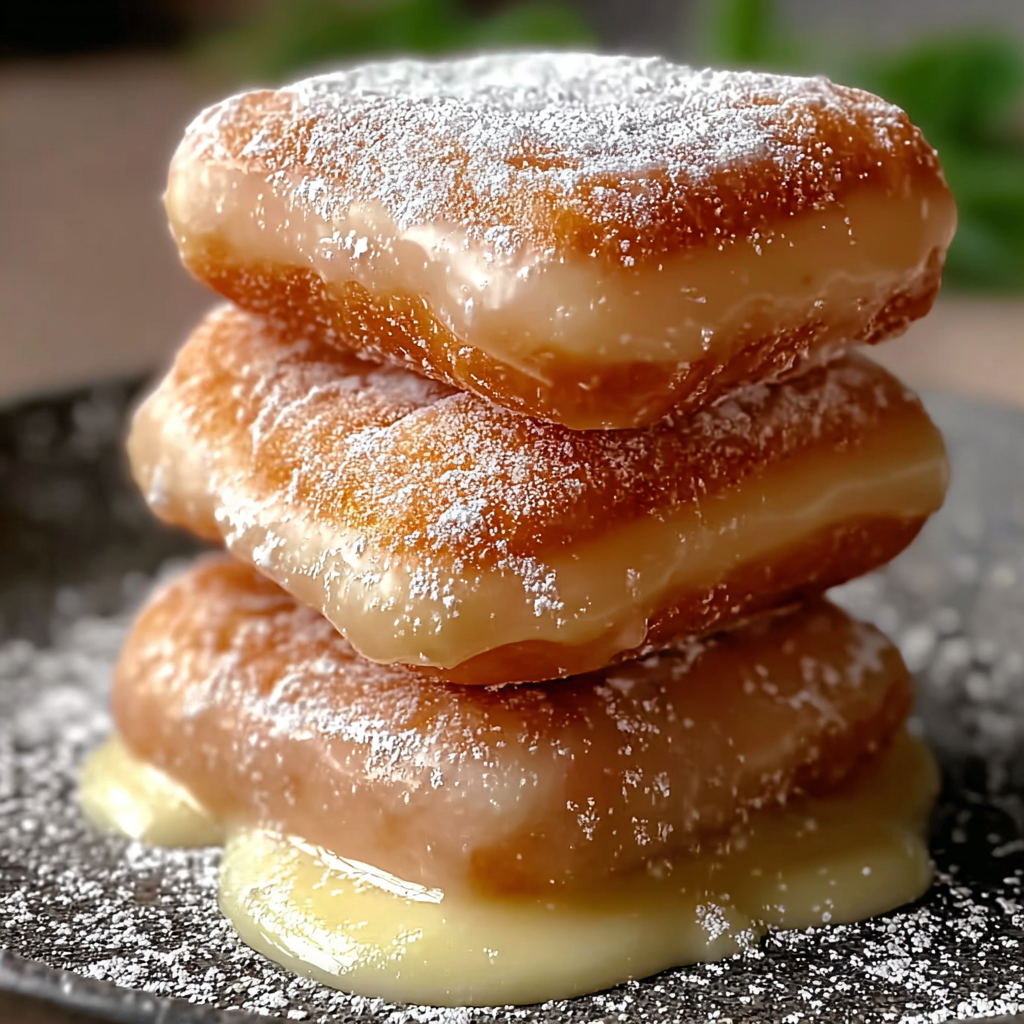
I love how simple technique elevates each bite. One of my favorite memories is a rainy Sunday when I plated a stack, brought them to the table, and watched everyone reach in before coffee. The bright curd in the center cuts the fat and sweetness, making each beignet feel simultaneously light and indulgent. They are a small luxury that transforms ordinary mornings into something to look forward to.
Store leftover beignets for up to 24 hours at room temperature in an airtight container with a paper towel to absorb moisture; longer storage leads to a loss of crispness. For refrigeration, place in a single layer separated by parchment and keep in a sealed container for up to two days, though the exterior will soften. To freeze, seal cooled beignets in a freezer-safe bag for up to three months. Reheat from frozen in a 350 degrees Fahrenheit oven for 6 to 8 minutes to revive the exterior, then dust with powdered sugar. Avoid microwaving full batches as it makes them soggy.
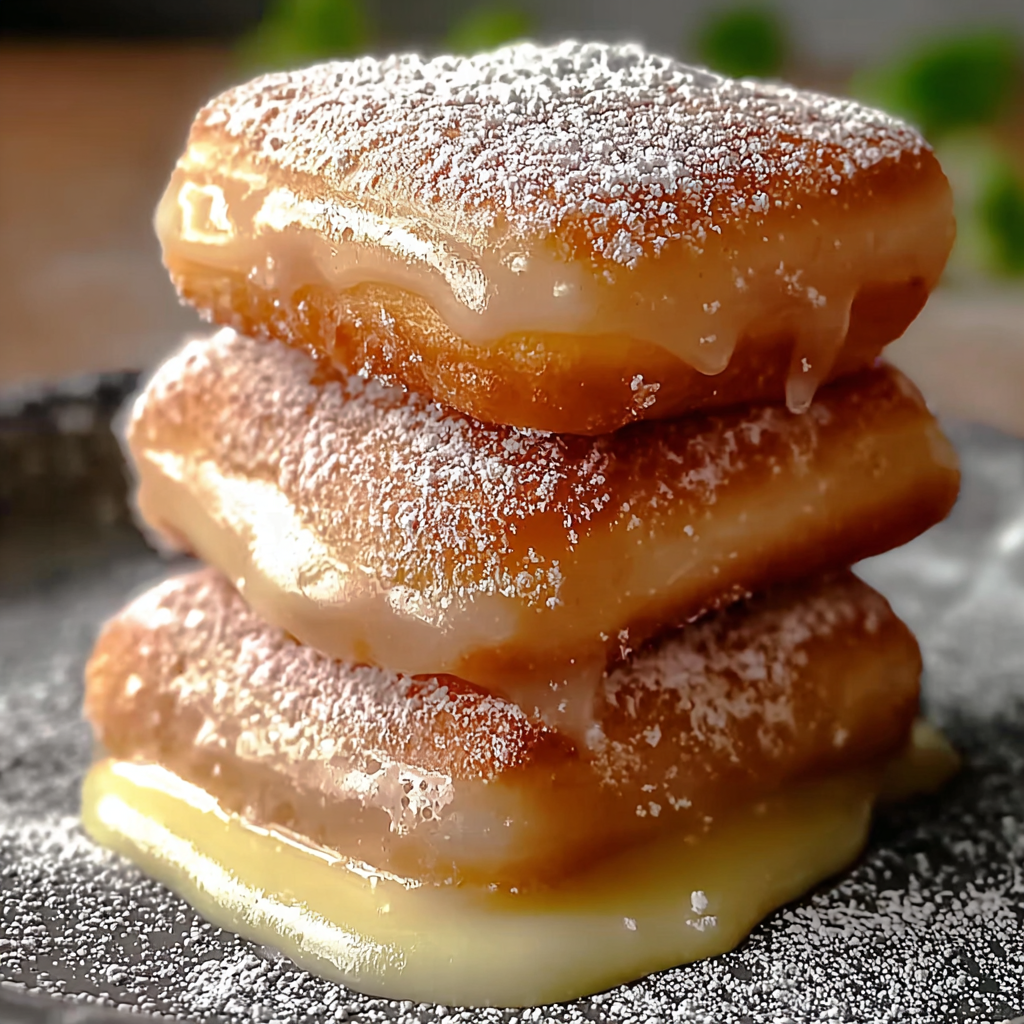
For dairy-free versions, substitute buttermilk with 1 cup plant-based milk plus 1 tablespoon white vinegar; replace butter with melted coconut oil. Keep in mind the flavor will shift and texture may be slightly less tender. For gluten-free options, use a 1-to-1 gluten-free flour blend with xanthan gum and expect a slightly denser fritter. To change the filling, swap lemon curd for passion fruit or raspberry preserves; thicker fillings hold better when chilled. Reducing sugar by up to 20 percent is possible, but powdered sugar finish keeps sweetness balanced.
Serve warm with coffee or a bright tea. Small stacks on a platter garnished with lemon zest or a sprinkle of cinnamon elevate presentation. For brunch, pair with fresh berries and whipped cream or a simple fruit compote. For a grown-up twist, offer a small pitcher of salted caramel and a bowl of extra curd for dipping. These also work beautifully plated alongside scrambled eggs and smoked salmon for a contrast of sweet and savory flavors during celebratory brunches.
Beignets trace their roots to French fritters and were embraced and transformed in New Orleans, where they became a hallmark of Creole coffeehouses. Traditionally made with a yeasted dough, the quick beignet presented here uses chemical leaveners for speed while still honoring the spirit of the original: fried dough dusted in powdered sugar. Over the centuries, regional variations introduced different fillings and spices, making beignets a versatile canvas for both sweet and savory interpretations in American and European kitchens alike.
Adjust flavors to the season by switching curd flavors and spices. Spring benefits from lemon or Meyer lemon curd and a light sprinkle of floral sugar. In summer, use strawberry or peach curd with a touch of vanilla. Fall calls for spiced apple curd and a dusting of cinnamon sugar instead of powdered sugar. For winter holidays, consider orange or cranberry curd and add warm spices like clove or allspice to the batter for a seasonal twist.
Prepare the curd up to three days ahead and refrigerate. Mix the dry and wet components and keep chilled in separate containers; combine and rest 15 minutes before frying to save time. Portion batter into a scoop or pastry bag to speed up frying day. Use a thermometer and keep a medium-low flame to maintain 350 degrees Fahrenheit. If hosting, fry in batches 30 minutes before serving and hold on a warm oven rack while finishing the last batches to serve them hot and crisp.
These beignets celebrate small rituals: the steady hiss of oil, the quick sugar-dusting, the shared smiles at the table. Make them your own by playing with fillings and serving styles, and enjoy the moments they create.
Keep the oil at a consistent 350 degrees Fahrenheit to prevent excess oil absorption and ensure an even golden crust.
Rest the batter 10 to 15 minutes before frying to hydrate the flour and improve tenderness.
Chill the curd before piping to achieve neat, non-runny centers when filling warm fritters.
This nourishing heavenly curd beignets recipe is sure to be a staple in your kitchen. Enjoy every moist, high protein slice — it is perfect for breakfast or as a wholesome snack any time.
This Heavenly Curd Beignets recipe makes perfectly juicy, tender, and flavorful steak every time! Serve with potatoes and a side salad for an unforgettable dinner in under 30 minutes.
Whisk 2 cups all-purpose flour, 1/4 cup granulated sugar, 1 tablespoon baking powder, 1/2 teaspoon baking soda, 1/2 teaspoon salt, and 1/4 teaspoon ground nutmeg until evenly combined to ensure uniform leavening.
Beat together 1 cup buttermilk, 2 large eggs, 1 teaspoon vanilla extract, and 2 tablespoons melted unsalted butter until smooth. Keep butter warm but not hot so it does not cook the eggs.
Stir the wet into the dry ingredients just until combined. The batter should be thick but spoonable. Avoid overmixing to keep the texture tender. Rest 10 to 15 minutes.
Heat about 2 cups vegetable oil in a heavy pot to 350 degrees Fahrenheit. Use a candy thermometer for accuracy to prevent greasy beignets.
Drop 1 to 1 1/2 tablespoon portions into hot oil using two spoons or a small scoop. Fry in small batches for 2 to 3 minutes, turning once, until puffed and golden. Drain on a wire rack.
If using curd, pipe about 1 teaspoon into each beignet while warm and dust immediately with powdered sugar. Serve warm for best texture.
Last Step: Please leave a rating and comment letting us know how you liked this recipe! This helps our business to thrive and continue providing free, high-quality recipes for you.
Leave a comment & rating below or tag
@galovicooking on social media!
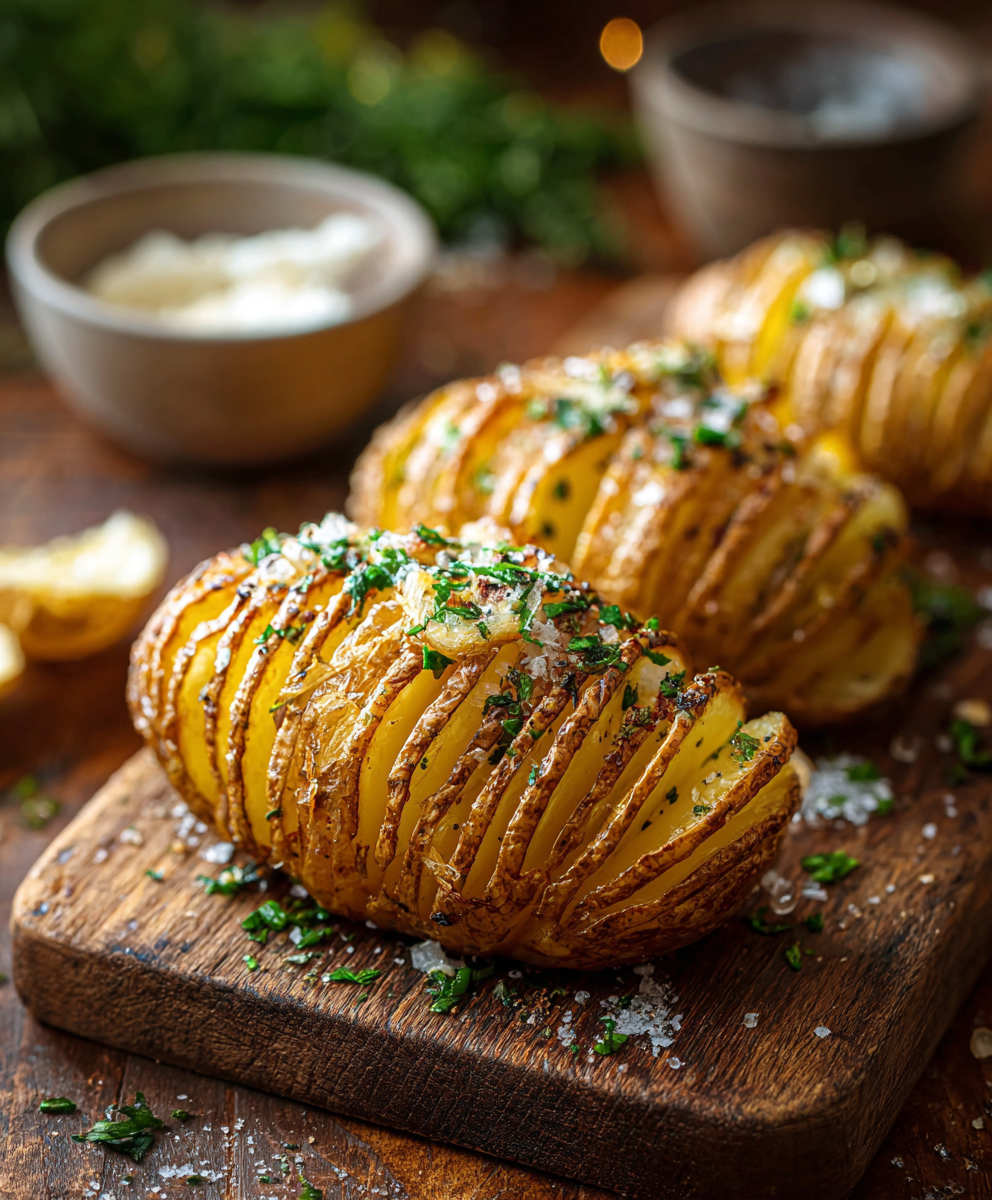
Crispy on the outside, tender inside: classic Hasselback potatoes brushed with melted butter and seasoned simply with kosher salt and pepper.
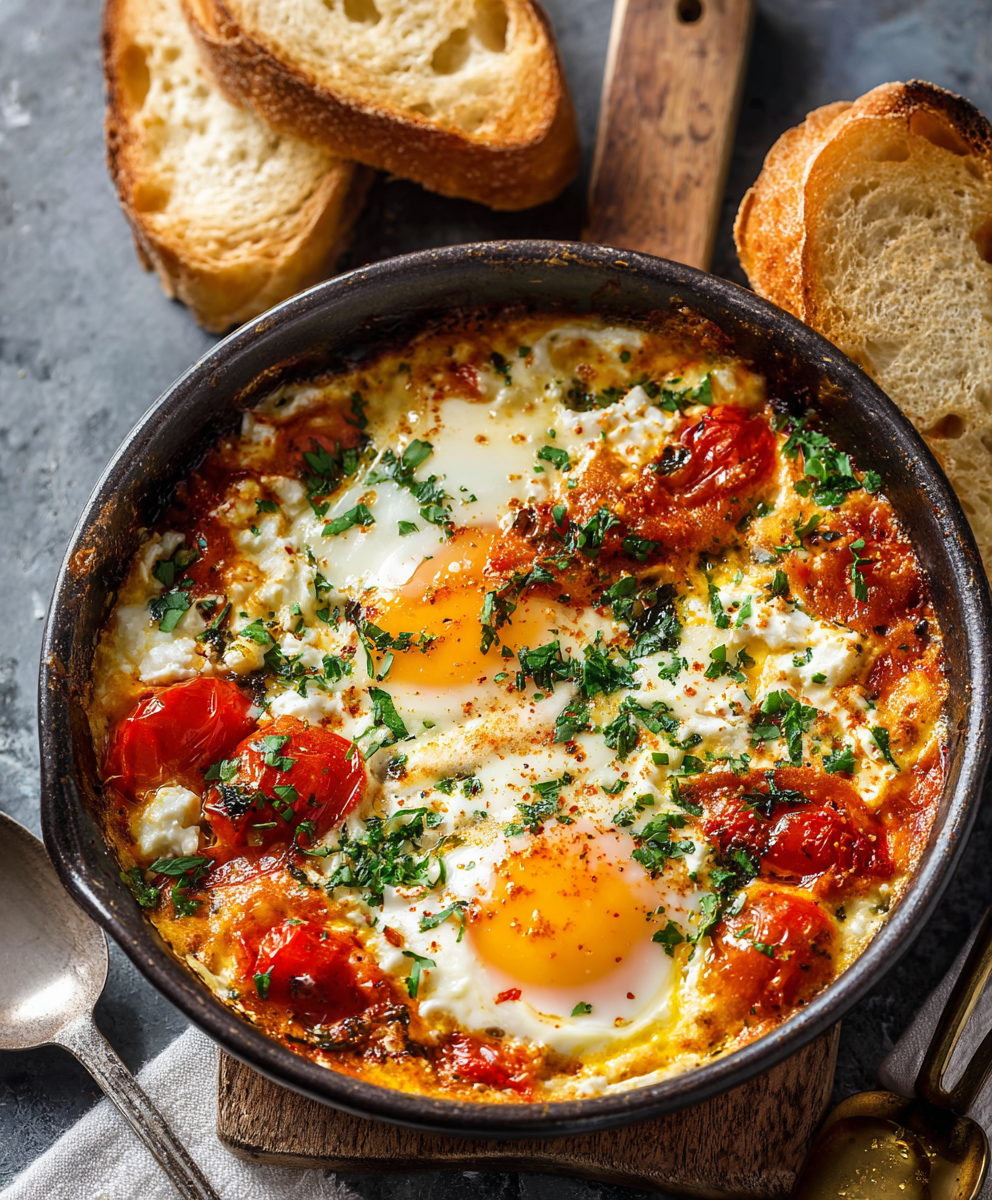
A comforting Mediterranean-inspired bake of roasted tomatoes, feta, spinach, and eggs — creamy, savory, and perfect for breakfast, brunch, or an easy weeknight meal.
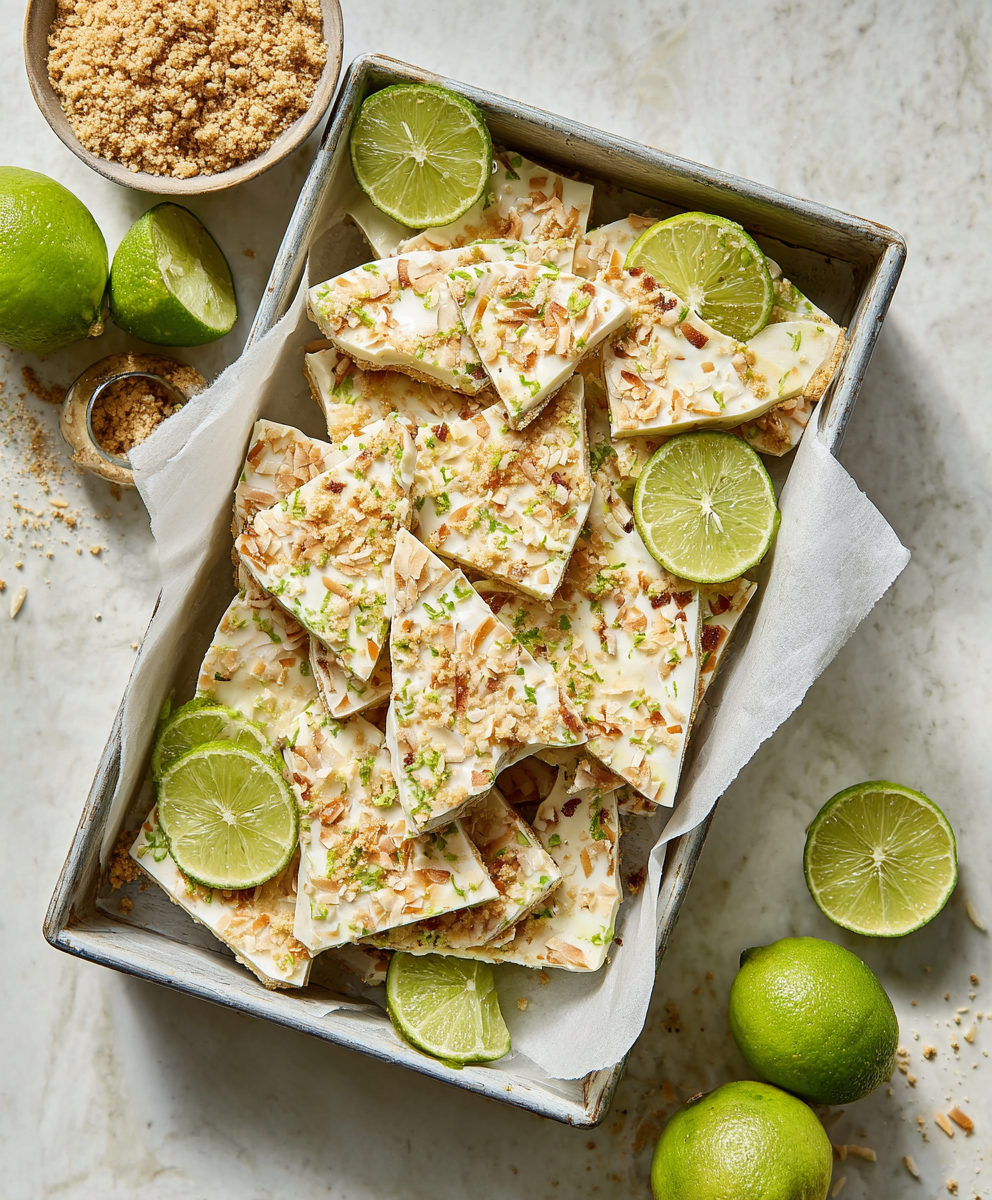
A bright, tangy frozen treat that channels key lime pie in a protein-packed, freezer-ready bark — perfect for warm days, snack prep, and a lighter dessert.
Leave a comment & rating below or tag @galovicooking on social media!
Enjoyed this recipe? Share it with friends and family, and don't forget to leave a review!
This recipe looks amazing! Can't wait to try it.
Comments are stored locally in your browser. Server comments are displayed alongside your local comments.

Join to receive our email series which contains a round-up of some of our quick and easy family favorite recipes.